Kale, a powerhouse of nutrients, has earned its reputation as a superfood, packed with vitamins, minerals, and antioxidants. For many health enthusiasts, juicing kale offers an efficient way to absorb these incredible benefits. However, not all juicers are created equal when it comes to tackling this leafy green marvel. If you are serious about extracting the maximum goodness from your kale, a masticating juicer, often known as a slow or cold-press juicer, stands as the unequivocally best choice.
The Intricate Nature of Kale and Juicing Challenges
Kale’s robust, fibrous structure presents a unique challenge for juice extraction. Its tough cell walls, which protect its dense array of nutrients, require a specific method to effectively break them down and release the vibrant, health-boosting liquid within. High-speed juicers often struggle with these fibers, leading to inefficiency and nutrient loss. To truly unlock kale’s potential, the juicing process needs to be gentle yet powerful, mimicking nature’s own way of extracting nutrients.
The Masticating Method: A Gentle Yet Powerful Extraction
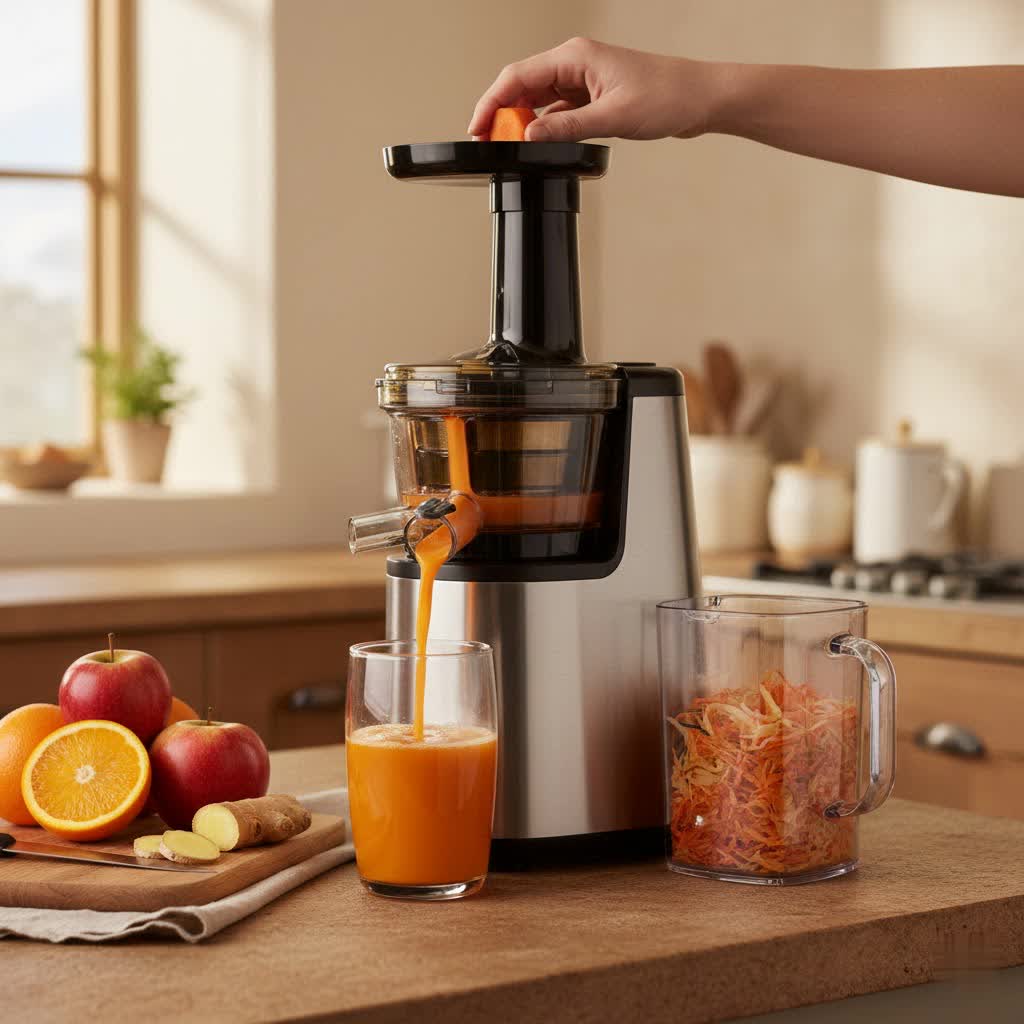
Masticating juicers operate on a principle akin to chewing. Instead of rapid shredding, a slow-rotating auger systematically crushes and presses the kale against a fine screen. This deliberate, low-speed action, typically ranging from 40 to 100 revolutions per minute (RPM), generates minimal heat. The absence of heat is crucial, as it prevents the rapid oxidation that can degrade delicate enzymes and vitamins, thus preserving the kale’s nutritional integrity. This “cold-press” approach ensures that the vital components of your kale remain intact, delivering a living, nutrient-dense juice.
Superior Yield and Uncompromised Nutrient Integrity
One of the most compelling reasons to choose a masticating juicer for kale is its unparalleled efficiency in juice extraction. The slow, thorough pressing action extracts significantly more liquid from fibrous greens, leaving behind a noticeably drier pulp. This means you get more juice from the same amount of kale, translating to less waste and greater value from your produce.
Beyond quantity, the quality of the juice is where masticating juicers truly shine. By minimizing heat and air exposure, the juicer safeguards heat-sensitive nutrients such as Vitamin C and many beneficial enzymes, which are often destroyed by the high-speed friction of other juicer types. The resulting juice boasts a vibrant color, a richer flavor profile, and considerably less foam and separation, indicating a superior, more stable nutritional content.
Masticating vs. Centrifugal Juicers: A Direct Comparison for Leafy Greens
When comparing juicer types, the distinction becomes particularly stark when juicing fibrous greens like kale.
Centrifugal Juicers:
- Mechanism: These “fast juicers” employ high-speed blades that spin at thousands of RPMs, shredding produce and separating juice through centrifugal force.
- Performance with Kale: They generally struggle with leafy greens. The high speed can cause kale to whip around, leading to inefficient juice extraction, a wetter pulp, and lower yields.
- Nutrient Degradation: The rapid spinning blades generate considerable heat and introduce a lot of air into the juice, leading to oxidation. This can quickly degrade heat-sensitive vitamins and enzymes, resulting in a less potent and foamy juice that separates quickly.
- Noise Level: Centrifugal juicers are notably louder due to their high-speed operation.
Masticating Juicers:
- Mechanism: Their slow, crushing, and squeezing action gently extracts juice.
- Performance with Kale: They excel with kale and other leafy greens, efficiently breaking down tough fibers to maximize juice yield and leave behind a very dry pulp.
- Nutrient Preservation: The cold-press method minimizes heat and oxidation, ensuring that vitamins, minerals, and live enzymes are preserved, delivering a healthier, more vibrant juice with a longer shelf life.
- Juice Quality: Produces a smooth, richly colored juice with minimal foam and separation.
- Noise Level: Operates much quieter than centrifugal models.
- Investment: While often a higher upfront investment, the superior yield and nutritional quality make them a cost-effective choice for dedicated juicers.
The Wealth of Health Benefits from Perfectly Juiced Kale
Juicing kale with a masticating juicer ensures you receive the maximum concentration of its incredible health benefits. Kale is an exceptional source of:
- Antioxidants: Rich in Vitamin C, beta-carotene, flavonoids like quercetin, and kaempferol, kale combats oxidative stress, protecting your cells from damage and supporting overall cellular health.
- Essential Vitamins & Minerals: It provides a significant amount of Vitamin K, crucial for blood clotting, and beta-carotene, which your body converts into Vitamin A, essential for healthy vision. Additionally, kale is packed with calcium, magnesium, potassium, and zinc, supporting bone health, muscle function, and a robust immune system.
- Detoxification & Wellness: Kale juice is known to support the body’s natural detoxification processes, aid in heart health, improve digestion, promote healthier skin, and contribute to sustained energy levels and hydration. Its low-calorie density also makes it an excellent addition to weight management diets.
By effectively breaking down kale’s cell walls, masticating juicers help make these valuable nutrients more bioavailable, allowing your body to absorb and utilize them efficiently.
“A slow juicer truly shines with leafy greens like kale. It gently presses out every last drop, ensuring you get more juice with less waste and preserving the delicate nutrients often lost in faster juicing methods.”
Choosing Your Masticating Juicer for Optimal Kale Juicing
When selecting a masticating juicer for kale, focus on features that enhance its performance with fibrous greens. Look for models with a strong motor and a robust auger design, as these are critical for effectively crushing and squeezing tough produce. While both vertical and horizontal masticating juicers handle leafy greens well, many users find horizontal models particularly efficient for long, fibrous items like kale due to their dual-stage extraction. Ease of cleaning is also a practical consideration that will encourage consistent use.
Mastering Kale Juicing: Practical Tips for Success
To get the most out of your masticating juicer when preparing kale juice, a few simple tips can make a significant difference:
- Proper Preparation: Always wash your kale thoroughly. While many masticating juicers can handle kale stems, removing them or tearing the leaves into smaller pieces can sometimes ease the juicing process and potentially reduce bitterness.
- Alternate Ingredients: If you’re juicing kale on its own, try rolling up the leaves into a tight ball before feeding them into the chute. When combining kale with other fruits or vegetables, feed the kale alternately with harder produce like apples or cucumbers. This helps push the fibrous greens through more effectively and ensures maximum extraction.
- Immediate Enjoyment or Proper Storage: For peak flavor and nutrient retention, consume your kale juice immediately. If you need to store it, transfer the juice to an airtight container, preferably glass, and refrigerate it. This minimizes air exposure and helps maintain its quality for up to 72 hours.
Conclusion
For anyone dedicated to harnessing the full nutritional power of kale, the choice of juicer is paramount. Masticating juicers, with their slow, cold-press technology, stand out as the superior option. They deliver higher yields of nutrient-rich, flavorful juice, while meticulously preserving the delicate vitamins, enzymes, and antioxidants that make kale a true superfood. While a masticating juicer may represent a greater initial investment, the long-term benefits of enhanced nutrition, reduced waste, and a truly exceptional juicing experience make it an indispensable tool for a healthier lifestyle.
Are you ready to elevate your daily dose of greens and experience the difference a masticating juicer can make for your kale?
Frequently Asked Questions
How do masticating juicers handle fibrous greens like kale so well?
|
Our Picks for the Best Slow juicer in 2026
As an Amazon Associate I earn from qualifying purchases.
|
||
| Num | Product | Action |
|---|---|---|
| 1 | EanOruus Juicer Machines, 3-in-1 Cold Press Juicer with 6.5" Extra Large Chute, 100oz Large Capacity, AC Motor, Makes Juice, Nut Milk & Sorbet, Premium Gray |

|
| 2 | Juicer Machines with 5.8" Large Chute, 2-in-1 Cold Press Juicer for Whole Vegetables Fruits 400W, Masticating juicer Easy to Clean Juice Extractor Machine for Making Nut Mike, Juice, Premium Gray |
|
| 3 | ECOSELF Cold Press Juicer - Large Mouth Hopper For Whole Fruits & Vegetables - Juicer Machines with Hands-Free Design - Slow Masticating Juicers High Juice Yield With Pusher - For Party Gathering |
|
| 4 | Godspeeds Juicer Machines with 5.8" Large Feed Chute, Slow Masticating Cold Press Juicer for Whole Fruits & Vegetables, Easy to Clean Design, High Juice Yield Home Juicer for Daily Wellness |
|
| 5 | TUUMIIST Juicer Machines, Cold Press Juicer with 5.3" Extra Large Feed Chute Fit Whole Fruits & Vegetables Easy to Clean, High Juice Yield, BPA Free (Black) |
|
| 6 | TUUMIIST 3-in-1 Cold Press Juicer Machine, Smart Touch Masticating Juicers for Whole Fruit & Vegetable, 6.5" Wide Chute Slow Juicer for Nut Milk & Sorbet, High Yield, 100oz Large Capacity, Easy Clean |
|
| 7 | ECOSELF Juicer Machines with 3 Filters (For Juice/Sorbet/Nut Milk), With 6.0" Wide Mouth Hopper for Vegetables & Fruits, Slow Masticating Juicer Self Feeding, Juicer for Family Party, With Brush |
|
| 8 | Jocuu Slow Masticating Juicer Machines with Soft Hard Modes Easy to Clean Quiet Motor & Reverse Function, Cold Press Juicer for Fruit & Vegetable, 90% Juice Yield, with Brush & Recipes (Grey) |
|
| 9 | Ninja NeverClog Cold Press Juicer | Powerful Electric Slow Masticating Juicer with Pulp Control | XL Capacity | 24 oz. Juice Jug & 36 oz. Pulp Container | Dishwasher Safe | Charcoal | 150W | JC151 |
|
| 10 | Nama J2 Cold Press Juicer – Self Feeding for Hands-Free Operation with Wide Mouth Hopper for Whole Recipe Loading, Zero Waste Masticating Juicer For More Juice, Less Pulp – Easy Cleanup & Assembly |
|
Masticating juicers use a slow-rotating auger to crush and press kale, effectively breaking down its tough fibrous cell walls. This thorough action extracts more juice compared to high-speed centrifugal juicers, which tend to shred fibrous greens inefficiently.
What are the main nutritional benefits of juicing kale?
Kale juice is rich in antioxidants (Vitamin C, beta-carotene, flavonoids), essential vitamins (K, A), and minerals (calcium, magnesium, potassium, zinc). These nutrients support detoxification, immune function, bone health, vision, and help combat oxidative stress.
Does juicing kale destroy its fiber?
While juicing separates the liquid from the insoluble fiber, it retains a significant amount of soluble fiber and concentrates the vitamins, minerals, and antioxidants. For complete fiber intake, it’s beneficial to consume whole kale in addition to juice.
How long can kale juice from a masticating juicer last?
Due to the minimal heat and oxidation produced by masticating juicers, kale juice can typically be stored in an airtight container in the refrigerator for up to 48-72 hours without significant loss of nutritional value or flavor.
Can I mix kale with other ingredients in a masticating juicer?
Absolutely! Kale juice can be enhanced by mixing it with other fruits and vegetables like apples, cucumbers, celery, ginger, or citrus fruits. Alternating soft and hard produce during juicing can also help ensure smooth operation and maximize juice yield.