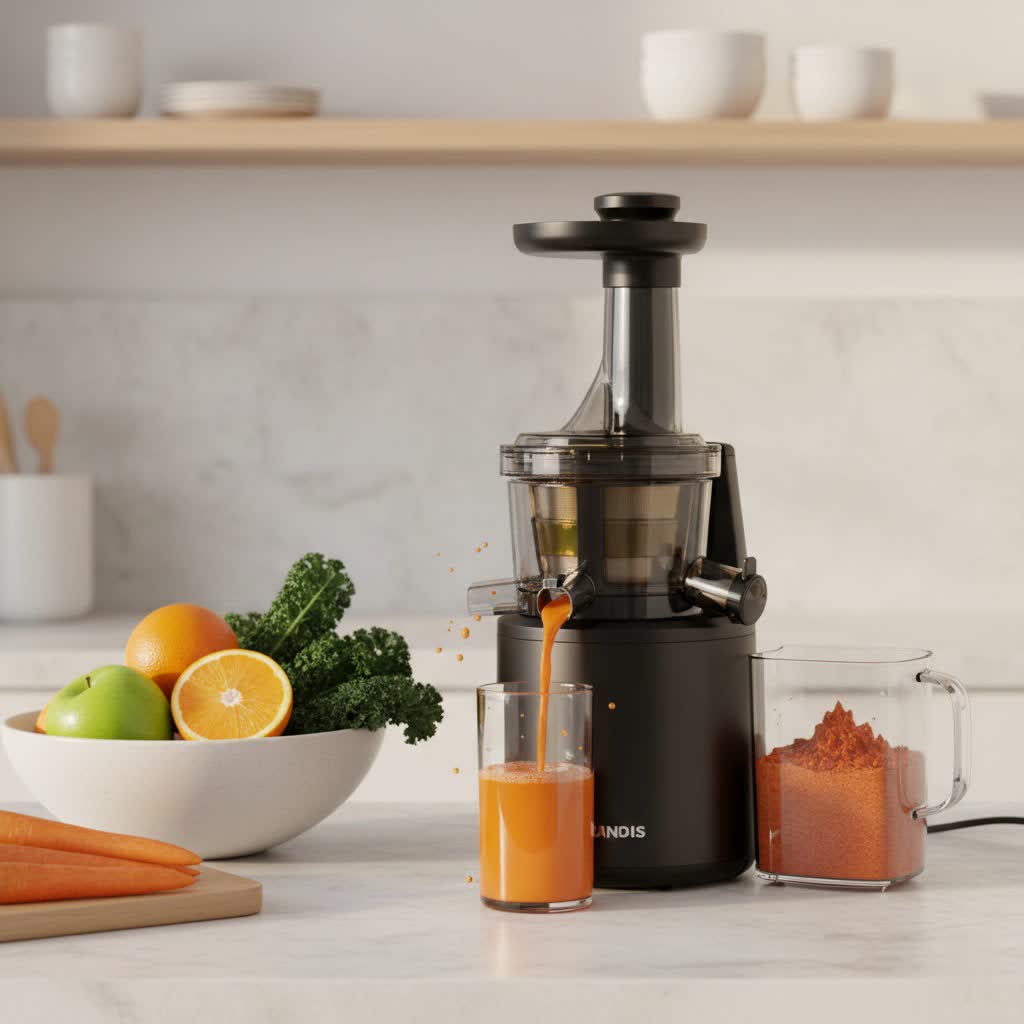
Stepping into the world of fresh, homemade juices can be a transformative journey for your health. Among the vast array of fruits and vegetables, celery has emerged as a powerhouse, celebrated for its unique wellness properties. As someone who has spent over a decade working with and evaluating various slow juicers, I can tell you that unlocking the full potential of celery juice truly comes down to using the right equipment and technique. This guide will walk you through crafting the purest, most nutrient-dense celery juice right in your own kitchen, ensuring you get every drop of goodness.
The Power of Celery Juice: Why Slow Juicing Makes a Difference
Celery juice is more than just a trend; it’s a potent elixir packed with vitamins, minerals, and antioxidants that can profoundly impact your well-being. Regular consumption has been linked to improved digestive health by helping to increase stomach acid and soothe the digestive tract, potentially reducing bloating. It’s also recognized for its anti-inflammatory properties, thanks to compounds like luteolin and apigenin, which can help combat inflammation throughout the body. Furthermore, with its high water content, celery juice is an excellent source of hydration, supporting overall fluid intake crucial for bodily functions. Some research suggests it may even aid in fighting infections and promoting liver and kidney health.
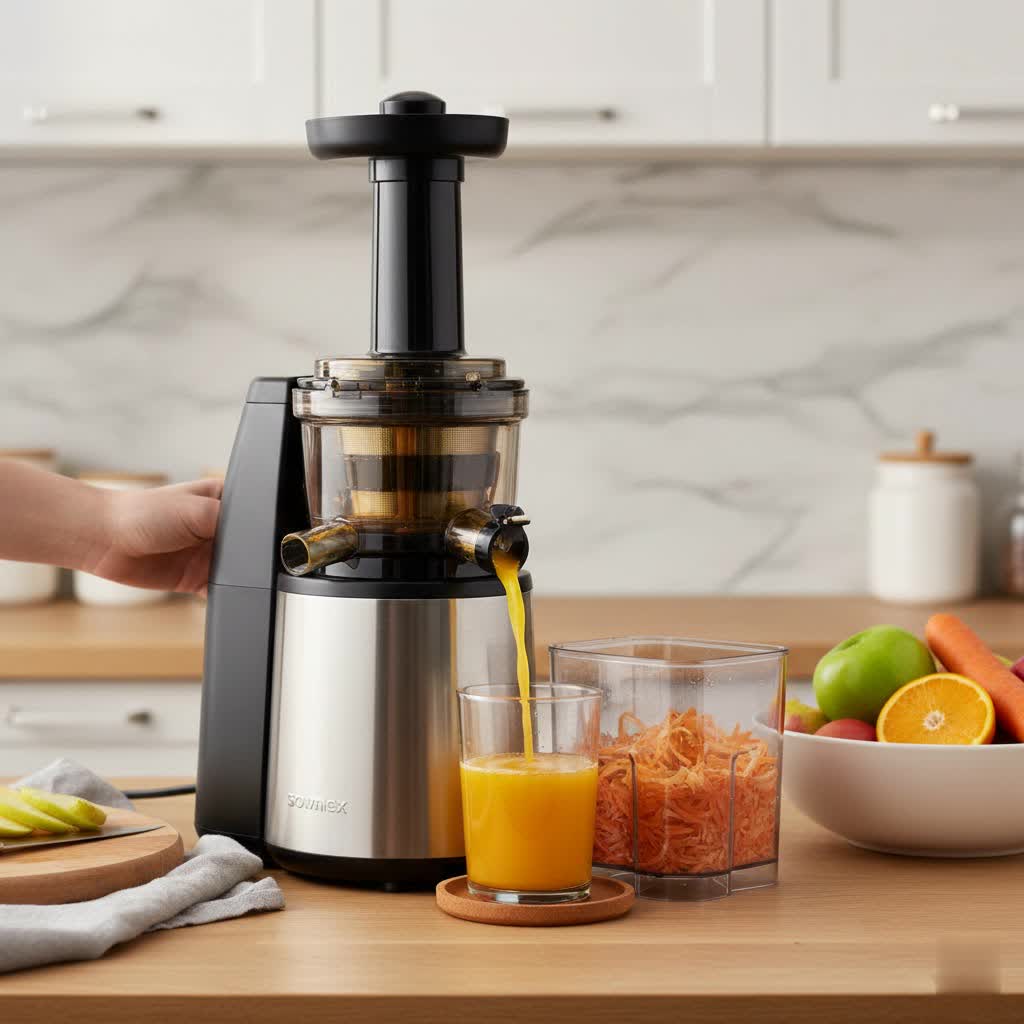
When it comes to extracting juice, not all juicers are created equal, especially with fibrous vegetables like celery. Slow juicers, also known as masticating juicers, operate at low speeds, which is key to preserving the integrity of the juice. This gentle process minimizes heat generation and oxidation, safeguarding a higher concentration of delicate enzymes, vitamins, and minerals that are often lost with high-speed centrifugal juicers. For high-fiber produce like celery, horizontal slow juicers are particularly effective due to their design, handling fibrous strands without easily clogging and ensuring maximum juice extraction and nutritional value.
Choosing the Right Celery: Quality Matters
The foundation of any great juice is the quality of its ingredients. For celery juice, selecting fresh, vibrant celery is paramount. Look for stalks that are firm, crisp, and bright green. Avoid any bunches that appear limp, discolored, or have signs of wilting. While conventional celery is widely available, opting for organic celery can further minimize exposure to pesticides and ensure a cleaner, purer juice experience.
Typically, one large bunch of celery (about 9-12 stalks) will yield approximately 16 ounces (around 500ml) of juice, which is a common serving size. Adjust the quantity based on your desired serving and the size of the celery stalks.
Step-by-Step Guide: Crafting Your Perfect Celery Juice
Preparing celery juice with a slow juicer is a straightforward process, but a few expert tips can elevate your results.
1. Thorough Washing and Preparation
|
Our Picks for the Best Slow juicer in 2026
As an Amazon Associate I earn from qualifying purchases.
|
||
| Num | Product | Action |
|---|---|---|
| 1 | EanOruus Juicer Machines, 3-in-1 Cold Press Juicer with 6.5" Extra Large Chute, 100oz Large Capacity, AC Motor, Makes Juice, Nut Milk & Sorbet, Premium Gray |

|
| 2 | TUUMIIST 3-in-1 Cold Press Juicer Machine, Smart Touch Masticating Juicers for Whole Fruit & Vegetable, 6.5" Wide Chute Slow Juicer for Nut Milk & Sorbet, High Yield, 100oz Large Capacity, Easy Clean |
|
| 3 | Juicer Machines with 5.8" Large Chute, 2-in-1 Cold Press Juicer for Whole Vegetables Fruits 400W, Masticating juicer Easy to Clean Juice Extractor Machine for Making Nut Mike, Juice, Premium Gray |
|
| 4 | TUUMIIST Juicer Machines, Cold Press Juicer with 5.3" Extra Large Feed Chute Fit Whole Fruits & Vegetables Easy to Clean, High Juice Yield, BPA Free (Black) |
|
| 5 | Ninja NeverClog Cold Press Juicer | Powerful Electric Slow Masticating Juicer with Pulp Control | XL Capacity | 24 oz. Juice Jug & 36 oz. Pulp Container | Dishwasher Safe | Charcoal | 150W | JC151 |
|
| 6 | ECOSELF Juicer Machines with 3 Filters (For Juice/Sorbet/Nut Milk), With 6.0" Wide Mouth Hopper for Vegetables & Fruits, Slow Masticating Juicer Self Feeding, Juicer for Family Party, With Brush |
|
| 7 | Nama J2 Cold Press Juicer – Self Feeding for Hands-Free Operation with Wide Mouth Hopper for Whole Recipe Loading, Zero Waste Masticating Juicer For More Juice, Less Pulp – Easy Cleanup & Assembly |
|
| 8 | Godspeeds Juicer Machines with 5.8" Large Feed Chute, Slow Masticating Cold Press Juicer for Whole Fruits & Vegetables, Easy to Clean Design, High Juice Yield Home Juicer for Daily Wellness |
|
| 9 | ECOSELF Cold Press Juicer - Large Mouth Hopper For Whole Fruits & Vegetables - Juicer Machines with Hands-Free Design - Slow Masticating Juicers High Juice Yield With Pusher - For Party Gathering |
|
| 10 | Jocuu Slow Masticating Juicer Machines with Soft Hard Modes Easy to Clean Quiet Motor & Reverse Function, Cold Press Juicer for Fruit & Vegetable, 90% Juice Yield, with Brush & Recipes (Grey) |
|
Begin by thoroughly washing your celery stalks under cold running water. It’s crucial to remove any dirt or debris, especially since celery can trap soil in its crevices. For a less bitter taste, some experts recommend removing the leaves from the celery stalks.
Next, cut the celery into manageable pieces. While some juicers can handle longer stalks, cutting them into smaller segments (around 1-2 inches or 5cm) is highly recommended. This practice not only makes it easier for the juicer’s auger and filter to process the fibrous strings, preventing clogs, but also significantly increases the efficiency and lifespan of your machine.
2. The Juicing Technique
Once your celery is prepped, it’s time to juice.
- Feed Steadily: Start your slow juicer and begin feeding the celery pieces into the chute one at a time. Resist the urge to overload the machine or rush the process. Slow juicers work best when given time to masticate and press the produce thoroughly.
- Gentle Pushing: Use the provided pusher tool to gently guide the celery down the chute. Never use alternative objects like knives or forks, as this can damage your juicer and pose a safety risk.
- Alternate Ingredients (Optional): If you’re incorporating other ingredients like a small piece of green apple or cucumber to balance the flavor, alternate feeding them with the celery. This can help the juicer process fibrous material more smoothly and maximize juice yield. However, for pure celery juice, stick to celery only.
- Observe and Let it Work: Allow the machine to work at its own pace. The slow grinding mechanism is designed to extract the maximum amount of juice while preserving nutrients. If you notice juice backing up in the feeding tube, slow down your feeding pace to prevent potential damage to the motor.
Optimizing Your Celery Juice Experience
The journey doesn’t end once the juice is made. How you consume and store your celery juice can impact its effectiveness and freshness.
- When to Drink: For maximum health benefits, many proponents suggest drinking celery juice first thing in the morning on an empty stomach. This allows your body to absorb the nutrients most efficiently without interference from other foods.
- Immediate Consumption: Freshly made juice is at its peak flavor and nutritional value immediately after juicing. Oxidization begins the moment the juice is exposed to air, so enjoying it right away is ideal.
- Storage: If you must store your celery juice, pour it into an airtight glass container, such as a mason jar, filling it to the very top to minimize air exposure. Refrigerate immediately and consume within 24 hours for the best taste and nutritional retention.
- Flavor Enhancements: While pure celery juice is often recommended for its targeted benefits, if you find the taste too intense, you can add a small squeeze of lemon or lime juice, or a thin slice of ginger. However, the goal is often to acclimate to the pure taste to fully appreciate its effects.
Maintenance for Your Slow Juicer: Ensuring Longevity
As an experienced technician, I can’t stress enough the importance of proper juicer maintenance. A clean juicer performs better, lasts longer, and ensures your juice remains uncontaminated.
The golden rule is to clean your juicer immediately after each use. Allowing pulp and residue to dry inside the components will make cleaning significantly harder and can lead to stubborn stains and buildup over time.
Daily Cleaning Routine:
- Disassemble: Carefully take apart all removable parts of your slow juicer.
- Rinse: Rinse each component under warm running water to remove most of the pulp and juice residue.
- Wash: Use warm, soapy water and the cleaning brush (often included with your juicer) to thoroughly scrub all parts, paying special attention to the fine mesh screen where pulp can easily get stuck.
- Rinse Thoroughly: Rinse all parts again to remove any soap residue.
- Dry: Allow the parts to air dry completely on a drying rack before reassembling or storing. This prevents mold and mildew growth.
Deep Cleaning for Stubborn Buildup:
Even with daily cleaning, mineral deposits or stains can accumulate, especially if you juice frequently.
- Vinegar and Baking Soda Soak: For stubborn grime, soak your juicer components (ensure they are water-safe plastic) in a solution of equal parts warm water and white vinegar for 30 minutes to a few hours, or even overnight. For extra scrubbing power, sprinkle baking soda on a cleaning brush after soaking to tackle any remaining residue.
- Citric Acid Solution: A strong solution made with citric acid and water (following product instructions) can be highly effective for removing mineral deposits and severe buildup after an overnight soak.
- Avoid Extreme Heat: Never wash juicer parts in boiling water (above 80°C/176°F) or dry them in an oven. High heat can cause plastic components to deform, affecting performance, causing leaks, or even damaging delicate magnetic sensors in some juicers.
- No Harsh Chemicals: Stick to natural cleaning agents like vinegar, baking soda, or citric acid. Harsh chemicals can damage your juicer’s materials and leave harmful residues.
By adhering to these simple cleaning and maintenance practices, your slow juicer will continue to deliver optimal performance and keep your celery juice regimen smooth and hassle-free for years to come.
“A well-maintained slow juicer isn’t just about prolonging its life; it’s about ensuring every glass of juice is as pure and potent as nature intended.” – [Your Name/Role as Admin of reviewpds.com], Slow Juicer Technician
Conclusion
Embracing the ritual of making fresh celery juice with a slow juicer is an investment in your health that pays dividends in vitality and well-being. By understanding the superior extraction method of slow juicers, carefully selecting and preparing your celery, and following optimal juicing techniques, you can consistently create a potent, nutrient-rich beverage. Remember, immediate consumption and diligent cleaning are your allies in maximizing the benefits and longevity of your juicing journey. So, are you ready to unlock the full potential of celery juice and elevate your daily wellness routine?
Frequently Asked Questions
What are the main benefits of drinking celery juice regularly?
Regular celery juice consumption can aid in improving digestive health by increasing stomach acid, reducing inflammation, boosting hydration, and potentially supporting liver and kidney function. It’s often consumed for its detoxifying and anti-inflammatory properties.
Why is a slow juicer recommended for celery juice instead of a centrifugal juicer?
Slow juicers, or masticating juicers, are preferred for celery because their low-speed operation minimizes heat and oxidation, preserving more enzymes, vitamins, and minerals. They are also highly efficient at extracting juice from fibrous vegetables like celery, resulting in a higher yield and less pulp.
Do I need to cut the celery leaves off before juicing?
While not strictly necessary, removing the leaves from celery stalks before juicing can help reduce any potential bitterness in the juice. Most of the bitterness is concentrated in the leaves.
How much celery do I need for one serving of juice?
Typically, one full bunch of celery, consisting of about 9-12 stalks, will yield approximately 16 ounces (around 500ml) of pure celery juice. This amount can vary slightly depending on the size and freshness of the celery.
How long can I store homemade celery juice?
For optimal nutritional value and taste, celery juice should be consumed immediately after preparation. If storage is necessary, keep it in an airtight glass container, filled to the brim to minimize air exposure, and refrigerate for no longer than 24 hours.
What are common mistakes to avoid when juicing celery with a slow juicer?
Common mistakes include overloading the juicer, not cleaning it immediately after use, using boiling water to clean parts (which can cause deformation), and using improper tools to push produce down the chute. Always feed ingredients slowly and clean thoroughly.