Slow juicing is revered for its ability to extract nutrient-dense, enzyme-rich beverages, offering a profound upgrade to your health routine. Yet, the very name “slow juicer” often conjures images of tedious preparation, potentially deterring even the most enthusiastic health seekers. The truth is, while the juicing process itself is slow and deliberate, your preparation doesn’t have to be. By mastering a few smart techniques for prepping your fruits and vegetables, you can significantly accelerate your routine, making your daily dose of liquid vitality quicker and more enjoyable. This comprehensive guide will transform your pre-juicing ritual from a chore into a seamless, efficient process, ensuring you get the most out of your slow juicer with minimal fuss.
Understanding the “Slow” in Slow Juicing
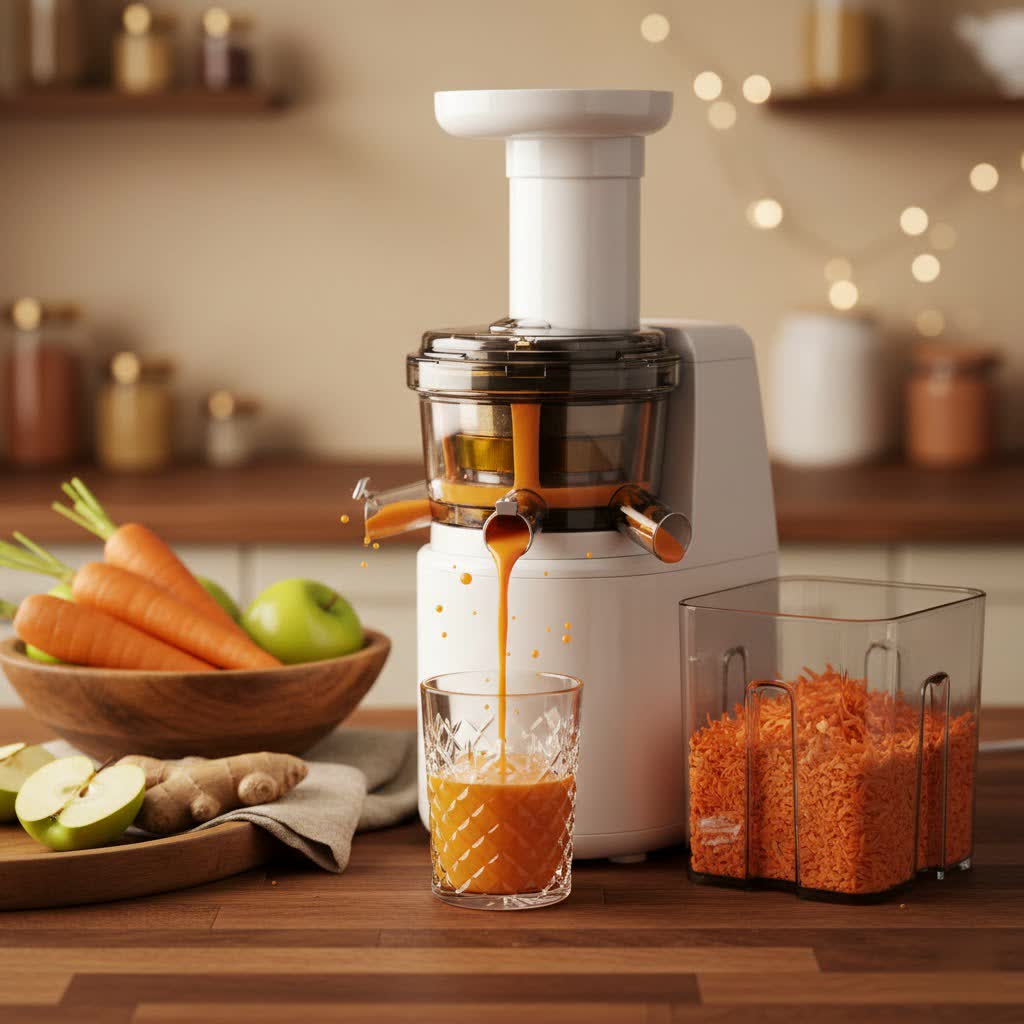
Unlike their high-speed centrifugal counterparts, slow juicers (also known as masticating or cold-press juicers) operate at low RPMs. This gentle, crushing action minimizes heat and oxidation, preserving delicate enzymes and nutrients, and resulting in a higher quality, longer-lasting juice. However, this methodical pace also means that how you prepare your produce can significantly impact the overall juicing time. Smaller feed chutes and a deliberate grinding mechanism require produce to be cut to an appropriate size and consistency to prevent clogs and ensure smooth operation. Investing time in smart preparation ultimately saves you time during the actual juicing and cleaning phases, optimizing your experience.
Essential First Steps: Cleaning and Sourcing
Before any cutting or peeling begins, rigorous cleaning of your produce is paramount. Even organic fruits and vegetables can carry dirt, bacteria, and residual pesticides. A thorough wash under running water is a minimum, but for added peace of mind, consider a produce wash or a quick soak in a vinegar-water solution (one part vinegar to ten parts water). This step is non-negotiable for food safety and to prevent grit from entering and potentially damaging your juicer.
Sourcing high-quality ingredients also plays a crucial role in both juice quality and prep ease. Opt for fresh, firm produce whenever possible. Overly ripe or mushy fruits, while delicious to eat, can be challenging to juice and may yield more pulp than liquid. Conversely, very hard, unripe produce can strain your juicer. A semi-firm texture is often ideal for optimal juice extraction.
The Art of Peeling: What Stays, What Goes
One of the most common questions in slow juicing revolves around peeling. The general rule of thumb is simple: if the peel is edible, palatable, and non-toxic, leave it on. Many fruit and vegetable skins are packed with beneficial nutrients, fiber, and antioxidants that you don’t want to miss.
However, certain produce items benefit from peeling or skin removal:
- Citrus Fruits (Oranges, Grapefruits, Lemons, Limes): The outer rind and white pith are often bitter and can impart an undesirable flavor to your juice. While some advocate for juicing organic lemon and lime peels for extra nutrients, many prefer to remove them for taste.
- Pineapples: The tough, spiky skin is inedible and difficult for most slow juicers to process efficiently.
- Melons (Watermelon, Cantaloupe, Honeydew): While the rinds are technically edible for some, they can be tough, fibrous, and impart a strong, sometimes bitter, flavor. Removing them often results in a cleaner, sweeter juice. An exception might be a very ripe honeydew rind, which some use to help push through mushier melon flesh.
- Mangoes: The fibrous skin and large, tough pit should always be removed.
- Jicama: Its skin contains rotenone, a moderately toxic compound, and should always be peeled.
- Pomegranates: The outer rind and internal pith are extremely bitter. It’s best to deseed pomegranates and juice only the arils.
For vegetables like carrots, beets, ginger, and turmeric, peeling is often optional, especially if they are organic and thoroughly scrubbed. Much of their nutrition is in or just beneath the skin. Similarly, cucumbers can be juiced with their skin on, but peeling them can result in a lighter-colored, milder juice if preferred.
Strategic Seeding and Coring
Seeds and pits require careful consideration, as some can be toxic or damaging to your juicer.
- Remove Large Pits and Seeds: Any seeds the size of a cherry pit or larger, especially from stone fruits like cherries, apricots, peaches, and plums, must be removed. These contain cyanogenic compounds that turn into cyanide when crushed and ingested, and their hardness can also significantly damage your juicer’s auger and screen. Large melon seeds can also contribute a bitter taste.
- Small Seeds: Generally, small seeds found in grapes, berries, and apples (when removed from the core) are safe and can pass through a good quality slow juicer without issue.
- Coring Apples and Pears: While apple and pear skins are great for juicing, it’s wise to core them. Apple seeds contain amygdalin, which can release cyanide when digested. Coring also removes the tougher central fibrous material, making for smoother juicing.
Mastering the Cut: Size and Shape for Speed
This is where the real time-saving magic happens for slow juicers. Because most slow juicers have smaller feed chutes, precise cutting is crucial to prevent jamming and ensure continuous, efficient juicing.
- Fit the Chute: The golden rule is to cut all produce into pieces small enough to easily fit into your juicer’s feed chute without forcing them. This varies by juicer model, so consult your manual.
- Consistent Size for Hard Produce: For dense items like carrots, beets, and celery, aim for consistent, elongated pieces. This allows the auger to grip and process them steadily. Cutting celery into 2-3 inch lengths is particularly important to prevent long, stringy fibers from wrapping around the auger and causing clogs.
- Managing Leafy Greens: Leafy greens like kale, spinach, and wheatgrass can be challenging. Instead of feeding them in loose handfuls, roll them into tight bundles or “cigars.” This makes them denser and easier for the juicer to extract juice from, significantly reducing the amount of pulp left behind and increasing yield.
- Chunking Larger Fruits: For fruits like pineapple or larger apples, cut them into quarters or eighths, ensuring they pass through the chute smoothly.
“The true efficiency of a slow juicer isn’t just in its quiet operation, but in the intelligent preparation that precedes it. Thoughtful cutting and order can halve your juicing time.” – Chef Elena Rodriguez, Culinary Nutrition Expert
Optimizing the Juicing Process: The Feed Order Trick
Beyond just cutting, the order in which you feed produce into your slow juicer can dramatically affect speed and prevent clogs.
- Alternating Textures is Key: The most effective strategy is to alternate between soft and hard ingredients. Softer, mushier fruits (like berries, soft grapes, or very ripe tomatoes) can sometimes create a pulpy backup. Introducing a harder vegetable (like a carrot, apple, or celery stalk) immediately after a soft one acts as a natural “pusher,” clearing the screen and auger and driving the softer pulp through. This also prevents foam buildup.
- Start with Softer, Finish with Harder: Some juicers recommend starting with a small amount of soft produce, then moving to harder items, and interspersing soft with hard throughout. This ensures that the juicer’s mechanism is primed and ready to handle varying textures.
- Dealing with Very Soft/Mushy Fruits: If you have very soft fruits that are mostly pulp (e.g., bananas, avocados, overly ripe mangoes), your slow juicer might struggle to extract much liquid. In such cases, consider blending them into a puree first and then mixing the puree into your finished juice, or only juicing them in small amounts, immediately followed by very hard, fibrous produce.
Advanced Prep Hacks for the Busy Juicer
To truly integrate slow juicing into a busy lifestyle, proactive strategies are essential.
- Batch Preparation: Dedicate a specific time each week to wash, peel, core, and chop a large quantity of your preferred fruits and vegetables. Store these prepped ingredients in airtight containers or pre-portioned bags in the refrigerator. This “mise en place” approach means you can simply grab a bag and juice in minutes on busy mornings.
- Understand Your Juicer’s Settings: Some advanced slow juicers offer different speed settings. Generally, lower speeds are best for softer fruits and leafy greens, while harder produce might benefit from a slightly higher, yet still slow, setting. Always refer to your juicer’s manual for specific guidance.
- Strategic Cleanup: While not strictly prep, thinking about cleanup can make your overall juicing process faster. Juicing a slice of lemon at the very end can help rinse residual pulp from the juicer’s screen and parts, making disassembly and cleaning much easier.
Expert Insights for Superior Slow Juicing
The journey to faster slow juicing is about more than just speed; it’s about making the process sustainable and enjoyable without compromising the nutritional integrity of your juice. By meticulously cleaning your produce, understanding which parts to keep or discard, and strategically cutting and feeding your ingredients, you unlock a world of efficiency. Embrace the beauty of a well-prepped kitchen and watch as your slow juicer becomes a seamless part of your daily wellness ritual.
Conclusion
Embracing slow juicing for its unparalleled health benefits doesn’t mean sacrificing your precious time. By adopting smart preparation techniques—thoroughly cleaning, judiciously peeling and seeding, mastering the art of cutting, and strategically feeding your produce—you can transform a potentially lengthy process into a swift, efficient routine. These thoughtful steps not only accelerate your juicing but also protect your appliance and ensure every glass is bursting with pure, untainted goodness. Make these strategies a habit, and you’ll find yourself enjoying vibrant, homemade juices more often, effortlessly integrating wellness into your busy life. What new fruit and vegetable combinations will you explore with your newfound juicing efficiency?
Frequently Asked Questions
Do I need to peel all fruits and vegetables for my slow juicer?
|
Our Picks for the Best Slow juicer in 2026
As an Amazon Associate I earn from qualifying purchases.
|
||
| Num | Product | Action |
|---|---|---|
| 1 | Juicer Machines with 5.8" Large Chute, 2-in-1 Cold Press Juicer for Whole Vegetables Fruits 400W, Masticating juicer Easy to Clean Juice Extractor Machine for Making Nut Mike, Juice, Premium Gray |

|
| 2 | EanOruus Juicer Machines, 3-in-1 Cold Press Juicer with 6.5" Extra Large Chute, 100oz Large Capacity, AC Motor, Makes Juice, Nut Milk & Sorbet, Premium Gray |
|
| 3 | TUUMIIST 3-in-1 Cold Press Juicer Machine, Smart Touch Masticating Juicers for Whole Fruit & Vegetable, 6.5" Wide Chute Slow Juicer for Nut Milk & Sorbet, High Yield, 100oz Large Capacity, Easy Clean |
|
| 4 | Nama J2 Cold Press Juicer – Self Feeding for Hands-Free Operation with Wide Mouth Hopper for Whole Recipe Loading, Zero Waste Masticating Juicer For More Juice, Less Pulp – Easy Cleanup & Assembly |
|
| 5 | Jocuu Slow Masticating Juicer Machines with Soft Hard Modes Easy to Clean Quiet Motor & Reverse Function, Cold Press Juicer for Fruit & Vegetable, 90% Juice Yield, with Brush & Recipes (Grey) |
|
| 6 | Godspeeds Juicer Machines with 5.8" Large Feed Chute, Slow Masticating Cold Press Juicer for Whole Fruits & Vegetables, Easy to Clean Design, High Juice Yield Home Juicer for Daily Wellness |
|
| 7 | Ninja NeverClog Cold Press Juicer | Powerful Electric Slow Masticating Juicer with Pulp Control | XL Capacity | 24 oz. Juice Jug & 36 oz. Pulp Container | Dishwasher Safe | Charcoal | 150W | JC151 |
|
| 8 | TUUMIIST Juicer Machines, Cold Press Juicer with 5.3" Extra Large Feed Chute Fit Whole Fruits & Vegetables Easy to Clean, High Juice Yield, BPA Free (Black) |
|
| 9 | ECOSELF Cold Press Juicer - Large Mouth Hopper For Whole Fruits & Vegetables - Juicer Machines with Hands-Free Design - Slow Masticating Juicers High Juice Yield With Pusher - For Party Gathering |
|
| 10 | ECOSELF Juicer Machines with 3 Filters (For Juice/Sorbet/Nut Milk), With 6.0" Wide Mouth Hopper for Vegetables & Fruits, Slow Masticating Juicer Self Feeding, Juicer for Family Party, With Brush |
|
No, you don’t need to peel everything. It’s generally recommended to keep the peels of organic produce like apples, carrots, and cucumbers (unless you prefer a milder taste) as they contain valuable nutrients. However, always peel tough, bitter, or toxic skins such as citrus rinds, pineapple skin, jicama skin, and large fruit pits.
How small should I cut my vegetables for a slow juicer?
Produce should be cut into pieces small enough to fit comfortably into your juicer’s feed chute without forcing them. For fibrous vegetables like celery, cut them into 2-3 inch lengths to prevent clogging. Harder items like carrots and beets should be cut into consistent, manageable pieces for smooth processing.
Can I put leafy greens directly into a slow juicer?
While you can, it’s more efficient to roll leafy greens like kale or spinach into tight bundles or “cigars” before feeding them into the juicer. This compacts them, allowing the auger to grip and extract more juice, leading to higher yields and less pulp waste.
Why does my slow juicer get clogged, and how can I prevent it?
Clogging often occurs when soft, pulpy fruits are juiced consecutively without a firmer item to push them through. To prevent this, alternate between soft and hard ingredients. Harder vegetables act as a natural scrub, clearing the screen and auger as they process, ensuring a continuous juice flow.
Is it okay to prep fruits and vegetables in advance for juicing?
Absolutely! Batch prepping is a fantastic time-saver. Wash, peel, core, and chop your produce, then store it in airtight containers or pre-portioned bags in the refrigerator for up to 2-3 days. This way, your ingredients are ready to go, making daily juicing much faster.