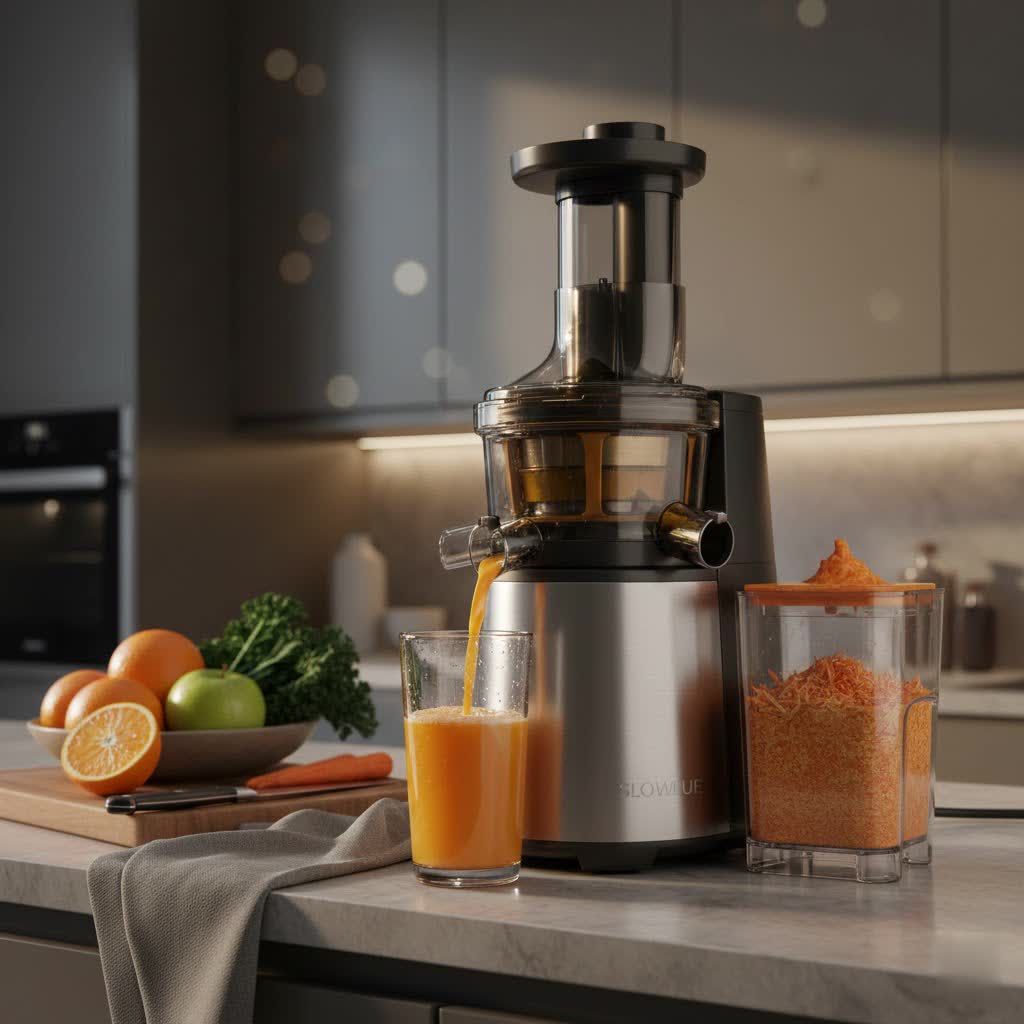
Embarking on a juicing journey is a fantastic step towards a healthier lifestyle, but selecting the right machine is paramount. With a myriad of options available, understanding how to choose the best slow juicer for maximum nutrition can seem daunting. This comprehensive guide will empower you, an enthusiastic home juicer, to make an informed decision, ensuring every glass bursts with vital nutrients and delicious flavor.
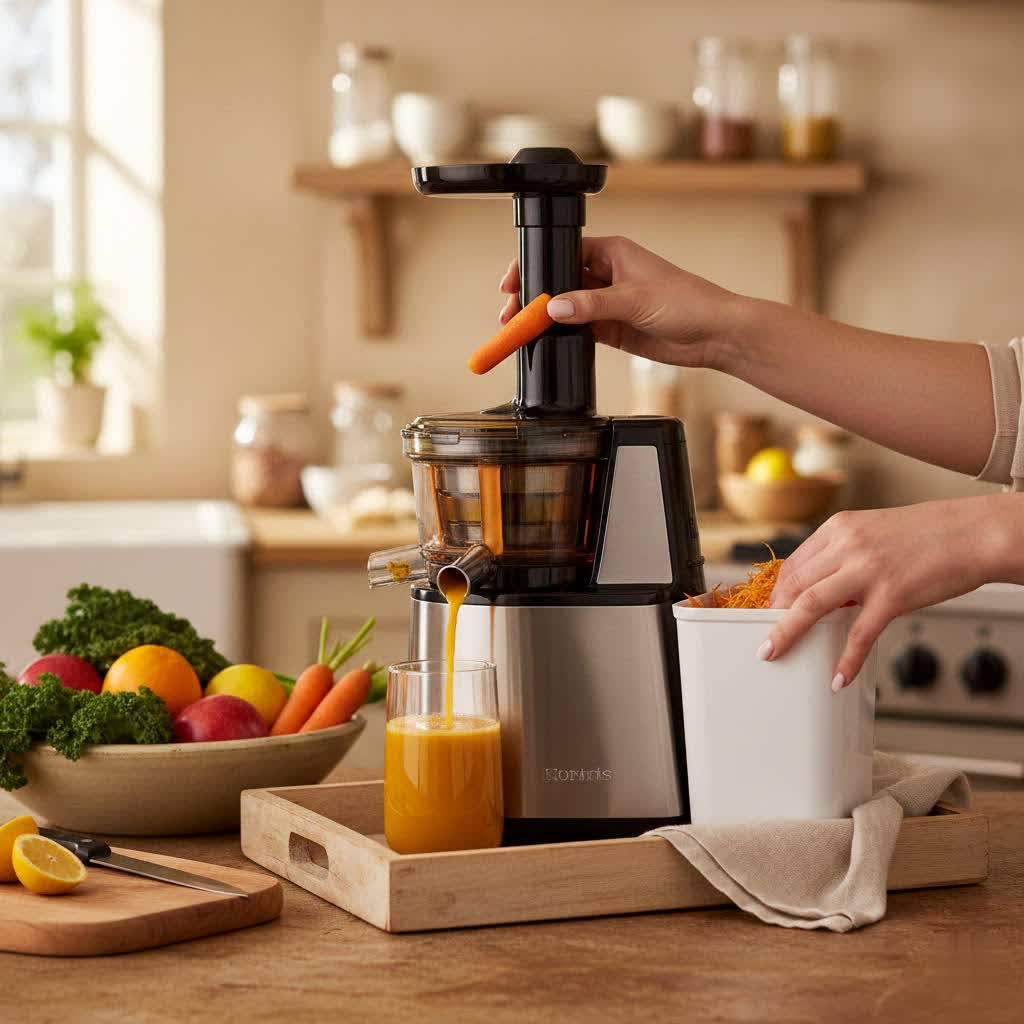
Why Choose a Slow Juicer? Maximizing Nutrient Retention
When it comes to preserving the delicate vitamins, enzymes, and minerals in your fresh produce, slow juicers stand head and shoulders above their high-speed counterparts. Often referred to as “masticating” or “cold press” juicers, these machines operate at significantly lower RPMs (revolutions per minute) compared to traditional centrifugal juicers.
Centrifugal juicers use fast-spinning blades that generate heat and introduce more oxygen into the juice. This process can lead to increased oxidation, which degrades heat-sensitive nutrients and enzymes, shortening the juice’s shelf life and diminishing its vibrant flavor. In contrast, slow juicers gently crush and press fruits and vegetables, mimicking a chewing action. This slow extraction minimizes heat buildup and exposure to air, resulting in a juice that boasts higher nutrient retention, a richer taste, and less foam. This translates into a more potent, longer-lasting beverage, typically staying fresh for up to 48-72 hours when properly refrigerated in an airtight container. Beyond nutritional benefits, slow juicers are also generally much quieter, making your morning juicing routine a peaceful experience.
Understanding the Types of Slow Juicers
Slow juicers come in various designs, each offering unique advantages depending on your juicing habits and kitchen space. The primary types are horizontal single auger, vertical single auger, and twin gear juicers.
Horizontal Single Auger Slow Juicers
|
Our Picks for the Best Slow juicer in 2026
As an Amazon Associate I earn from qualifying purchases.
|
||
| Num | Product | Action |
|---|---|---|
| 1 | Jocuu Slow Masticating Juicer Machines with Soft Hard Modes Easy to Clean Quiet Motor & Reverse Function, Cold Press Juicer for Fruit & Vegetable, 90% Juice Yield, with Brush & Recipes (Grey) |

|
| 2 | EanOruus Juicer Machines, 3-in-1 Cold Press Juicer with 6.5" Extra Large Chute, 100oz Large Capacity, AC Motor, Makes Juice, Nut Milk & Sorbet, Premium Gray |
|
| 3 | TUUMIIST Juicer Machines, Cold Press Juicer with 5.3" Extra Large Feed Chute Fit Whole Fruits & Vegetables Easy to Clean, High Juice Yield, BPA Free (Black) |
|
| 4 | Nama J2 Cold Press Juicer – Self Feeding for Hands-Free Operation with Wide Mouth Hopper for Whole Recipe Loading, Zero Waste Masticating Juicer For More Juice, Less Pulp – Easy Cleanup & Assembly |
|
| 5 | Ninja NeverClog Cold Press Juicer | Powerful Electric Slow Masticating Juicer with Pulp Control | XL Capacity | 24 oz. Juice Jug & 36 oz. Pulp Container | Dishwasher Safe | Charcoal | 150W | JC151 |
|
| 6 | Juicer Machines with 5.8" Large Chute, 2-in-1 Cold Press Juicer for Whole Vegetables Fruits 400W, Masticating juicer Easy to Clean Juice Extractor Machine for Making Nut Mike, Juice, Premium Gray |
|
| 7 | Godspeeds Juicer Machines with 5.8" Large Feed Chute, Slow Masticating Cold Press Juicer for Whole Fruits & Vegetables, Easy to Clean Design, High Juice Yield Home Juicer for Daily Wellness |
|
| 8 | ECOSELF Cold Press Juicer - Large Mouth Hopper For Whole Fruits & Vegetables - Juicer Machines with Hands-Free Design - Slow Masticating Juicers High Juice Yield With Pusher - For Party Gathering |
|
| 9 | TUUMIIST 3-in-1 Cold Press Juicer Machine, Smart Touch Masticating Juicers for Whole Fruit & Vegetable, 6.5" Wide Chute Slow Juicer for Nut Milk & Sorbet, High Yield, 100oz Large Capacity, Easy Clean |
|
| 10 | ECOSELF Juicer Machines with 3 Filters (For Juice/Sorbet/Nut Milk), With 6.0" Wide Mouth Hopper for Vegetables & Fruits, Slow Masticating Juicer Self Feeding, Juicer for Family Party, With Brush |
|
These versatile machines feature an auger (a screw-like component) that sits horizontally. Produce is fed into the side, crushed, and pressed against a screen, with pulp expelled from one end and juice from the other. Horizontal models are particularly adept at processing fibrous greens like kale, spinach, and wheatgrass, often yielding more juice from these challenging ingredients. Many also come with attachments for making nut butters, sorbets, and even pasta, making them multi-functional kitchen workhorses. Their footprint is usually longer, requiring more counter space, but they are often easy to clean.
Vertical Single Auger Slow Juicers
Characterized by their upright design, vertical slow juicers feed produce from the top down into a vertically oriented auger. Their compact design saves counter space, making them ideal for smaller kitchens. They excel at juicing softer fruits and can often handle larger pieces of produce due to wider feed chutes, reducing prep time. While generally efficient, some vertical models might struggle slightly with extremely fibrous greens compared to their horizontal counterparts, but modern designs have significantly improved in this area.
Twin Gear (Triturating) Slow Juicers
For the ultimate in juice quality and yield, twin gear, or triturating, juicers are the top-tier choice. These machines use two interlocking gears that grind and press produce with incredible efficiency. Operating at even slower speeds than single auger models, they further minimize oxidation and extract the highest possible amount of juice and nutrients. Twin gear juicers are exceptional for all types of produce, particularly leafy greens and wheatgrass, producing the driest pulp. While they typically come with a higher price tag and can involve more components for cleaning, their superior performance and nutrient preservation make them a favorite among dedicated health enthusiasts.
Key Factors to Consider When Buying Your Slow Juicer
Choosing the perfect slow juicer involves evaluating several critical features that impact performance, convenience, and value.
- Motor Power and Speed (RPM): Look for a motor with at least 150-250 watts. A powerful motor ensures efficient processing of even tough vegetables like carrots and beets without straining. The ideal rotation speed for maximum nutrient preservation ranges between 40 and 80 RPM. Slower speeds equate to less heat and oxidation.
- Material Quality and Durability: Invest in a juicer made from high-quality, BPA-free plastics and stainless steel components. These materials not only ensure the longevity of your appliance but also prevent harmful chemicals from leaching into your juice. A reputable manufacturer’s warranty (often 10 years or more on the motor) is a good indicator of product confidence and durability.
- Feed Chute Size: A wider feed chute (often found in vertical models) allows you to insert larger pieces of fruit and vegetables, significantly reducing preparation time. However, smaller chutes, while requiring more chopping, can sometimes be safer, especially in households with children. Consider your willingness to pre-cut produce.
- Ease of Cleaning and Assembly: Juicing should be enjoyable, not a chore. Opt for a slow juicer with easily detachable, dishwasher-safe parts. Many models include specialized cleaning brushes that simplify the removal of pulp from screens and crevices. A design that is intuitive to assemble and disassemble will encourage more consistent use.
- Noise Level: Slow juicers are inherently quieter than centrifugal juicers, often operating below 60 decibels. If you plan to juice early mornings or late evenings, a quiet model is a significant advantage.
- Versatility and Attachments: Some slow juicers offer more than just juice extraction. Look for models with attachments or settings that allow you to make nut milks, sorbets, baby food, or even ground spices, expanding its utility in your kitchen.
- Juice Yield and Pulp Dryness: An efficient slow juicer will extract the maximum amount of liquid, leaving behind very dry pulp. Dry pulp is a good indicator of efficient extraction and less wasted produce.
- Budget Considerations: Slow juicers range from entry-level models under $150 to premium machines exceeding $500. While budget is a factor, consider your frequency of use and commitment to juicing. A higher initial investment often translates to better performance, durability, and nutrient retention in the long run.
Top Slow Juicer Brands: A Quick Comparison
Several brands consistently receive high praise for their slow juicers, each with its unique strengths.
Hurom is a pioneer in slow juicing technology, renowned for its sleek designs, user-friendly features, and excellent juice quality. Models like the Hurom H-AA or H400 are often praised for their ability to handle a variety of produce and produce smooth, nutrient-dense juices. Many users appreciate Hurom for its balance of performance and aesthetics, making it a popular choice for daily juicing.
Kuvings offers robust and high-performance masticating juicers, often featuring wider feed chutes for reduced prep time. The Kuvings EVO820 and AUTO10S are examples of their commitment to efficiency and powerful extraction, making them ideal for those who juice frequently and need to process larger quantities of ingredients. Kuvings machines are known for their durability and versatility.
Omega juicers, particularly models like the NC900HDC or MM1500, are highly regarded for their exceptional performance with leafy greens and celery, often favored by those following specific juicing protocols. Omega offers a range of horizontal slow juicers that are durable, efficient, and often come with long warranties, providing great value for serious juicers. Many Omega models also boast multi-functional capabilities, extending beyond just juicing.
Getting the Most Out of Your Slow Juicer: Usage and Maintenance Tips
To ensure your slow juicer performs optimally and lasts for years, proper usage and maintenance are key.
- Preparation is Key: Even with wider chutes, cutting produce into smaller, manageable pieces (especially fibrous greens or harder root vegetables) can prevent clogging and ensure smoother operation. Remove any hard pits or large seeds before juicing.
- Gradual Feeding: Don’t overload the juicer. Feed ingredients gradually, allowing the auger to process each piece thoroughly before adding more. This prevents jams and maximizes extraction.
- Immediate Cleaning: The golden rule of juicing is to clean your machine immediately after use. Dried pulp is significantly harder to remove. Disassemble all removable parts and rinse them under running water. Use the provided cleaning brushes to scrub the strainer and any intricate components.
- Proper Storage: Once clean and dry, store your juicer parts in an organized manner. Ensure the motor base, which is electrical, is only wiped with a damp cloth and never submerged in water.
“A slow juicer is more than just an appliance; it’s an investment in your health. The meticulous process of cold pressing ensures that you’re not just drinking juice, but a concentrated elixir of life.” – Admin, reviewpds.com, Slow Juicer Expert
Conclusion
Choosing the best slow juicer for maximum nutrition means prioritizing thoughtful design, efficient extraction, and ease of use. By understanding the distinct advantages of slow juicing over conventional methods and carefully considering factors like motor power, material quality, and chute size, you can select a machine that perfectly aligns with your lifestyle and health goals. Whether you’re a seasoned juicing enthusiast or just beginning your journey, the right slow juicer will be an invaluable tool, transforming your daily intake of fruits and vegetables into delicious, nutrient-packed beverages. Are you ready to elevate your wellness with every glass?
Frequently Asked Questions
Are slow juicers truly worth the investment?
Yes, for individuals prioritizing nutrient retention and juice quality, slow juicers are a worthwhile investment. Their gentle extraction process preserves more vitamins, enzymes, and minerals compared to centrifugal juicers, leading to healthier and more flavorful juice.
How long does slow-pressed juice last in the refrigerator?
When stored in an airtight container in the refrigerator, slow-pressed juice typically retains its nutritional value and freshness for 48 to 72 hours. This extended shelf life is due to minimal oxidation during the juicing process.
Can slow juicers handle all types of fruits and vegetables?
Most slow juicers are highly versatile and can effectively juice a wide range of produce, including hard root vegetables, soft fruits, and fibrous leafy greens. Twin gear and horizontal single auger models often excel particularly with leafy greens.
Is cleaning a slow juicer difficult?
While slow juicers typically have more parts than centrifugal models, many are designed for easy disassembly and cleaning. Most parts are rinse-friendly, and often come with special brushes to aid in removing pulp, making cleanup straightforward if done immediately after use.
What is the ideal RPM for a slow juicer?
The ideal rotation speed for a slow juicer to maximize nutrient preservation is generally between 40 and 80 RPM. This low speed minimizes heat generation and oxidation, safeguarding the delicate enzymes and vitamins in your juice.