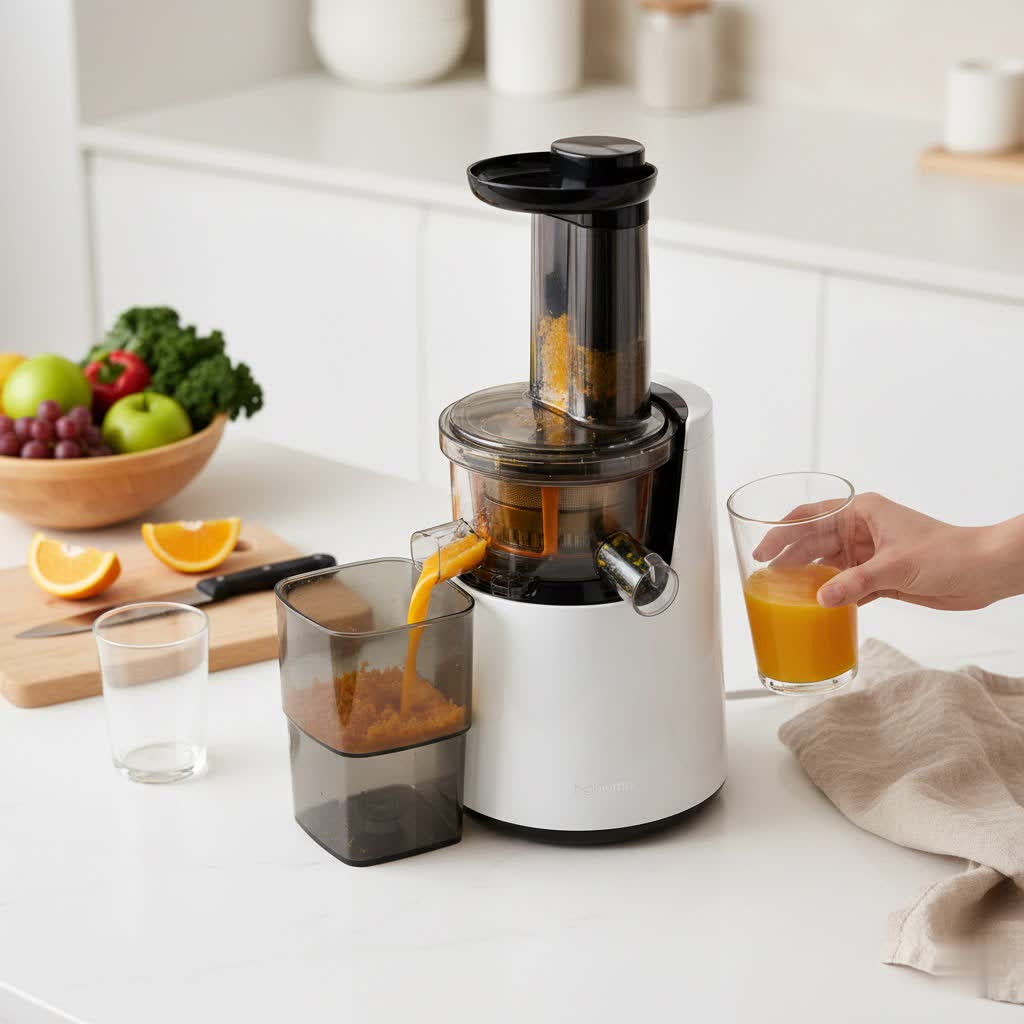
Imagine starting your day with a glass of vibrant, nutrient-rich juice, freshly extracted from your favorite fruits and vegetables. You invest in a slow juicer precisely for its ability to preserve vital enzymes and vitamins, ensuring every sip contributes to your well-being. But have you considered what else might be seeping into your drink? The choice of materials in your slow juicer, particularly the use of BPA-free parts, is not just a preference; it’s a fundamental aspect of safeguarding your health and the purity of your juice.
Understanding BPA: What It Is and Why It Matters
Table is empty.Bisphenol A, commonly known as BPA, is an industrial chemical that has been a staple in the manufacturing of certain plastics and resins since the 1950s. It’s prevalent in polycarbonate plastics, often used for food and beverage containers, and epoxy resins, which line metal products like food cans and water supply lines. The concern surrounding BPA stems from its ability to leach into food and beverages from these containers.
Research highlights potential health effects linked to BPA exposure, particularly for vulnerable populations. Studies suggest possible impacts on the brain and prostate gland of fetuses, infants, and children, even potentially affecting their behavior. For adults, additional research indicates a possible connection between BPA and an increased risk of high blood pressure, type 2 diabetes, and cardiovascular disease. Furthermore, it’s considered an endocrine-disrupting chemical, meaning it can mimic or block hormones, thereby interfering with the body’s normal functioning. This hormonal disruption has been linked to developmental issues, learning and behavior conditions like ADHD, anxiety, depression, early puberty in girls, obesity, and even certain cancers. Babies and children face the greatest risk due to their rapidly developing bodies.
While the U.S. Food and Drug Administration (FDA) currently maintains that BPA is safe at the very low levels typically found in some foods, they continue to monitor ongoing research. Nonetheless, the pervasive nature of BPA in everyday products and the potential health implications have driven a strong consumer demand for alternatives.
The Unique Role of Slow Juicers in BPA Exposure
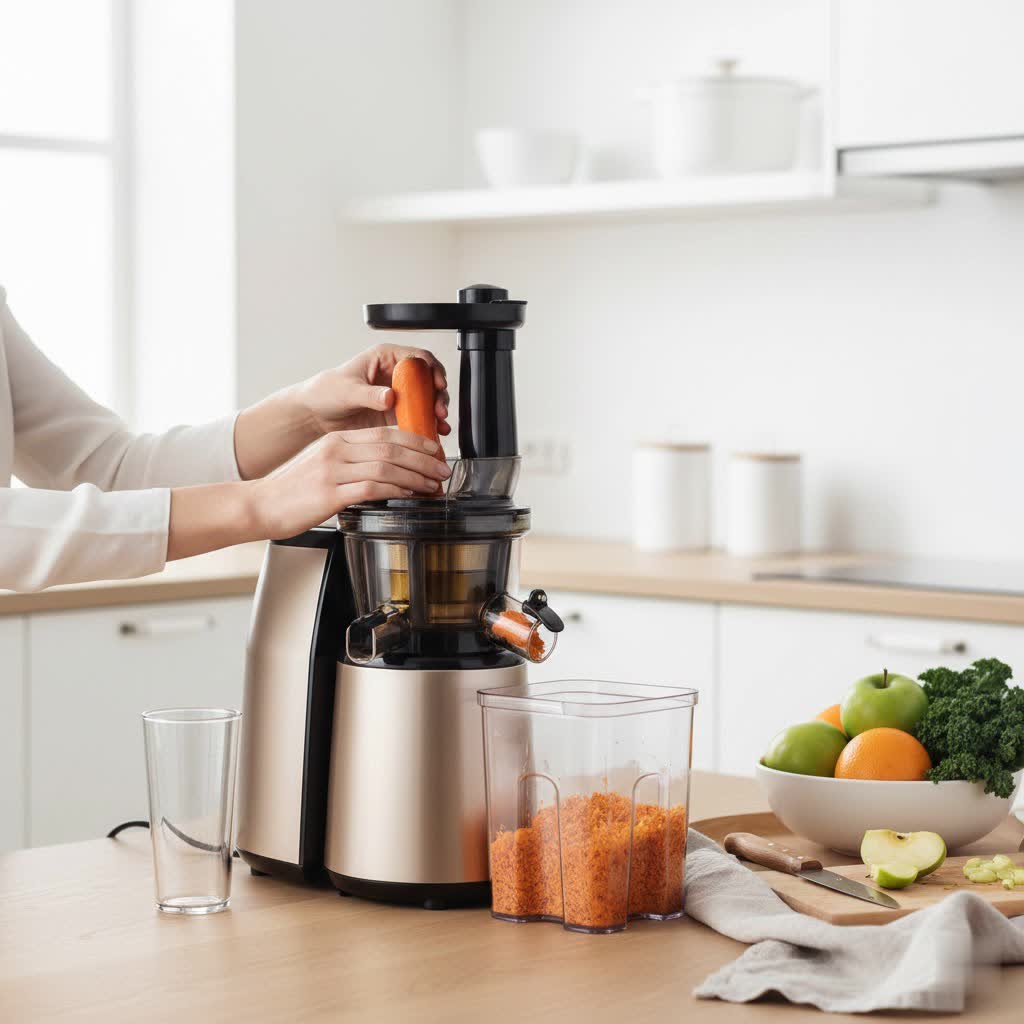
Slow juicers, also known as cold-press or masticating juicers, operate at low speeds to gently crush produce, minimizing heat generation and oxidation. This process is celebrated for yielding highly nutritious juice with superior taste and longer shelf life. However, precisely because the juice is consumed fresh and is in direct, prolonged contact with the internal components of the machine, the material composition of these parts becomes critically important.
Unlike cooking, where heat might exacerbate leaching from some plastics, slow juicing, while not high-heat, involves sustained contact between raw, often acidic, produce and the juicer’s plastic parts. Any chemicals present in the plastic could potentially transfer to the nutrient-dense juice you’re preparing for health benefits. Therefore, every food-contacting part—from the auger and juicing screen to the collection bowls—should be made from safe, non-toxic materials.
The Undeniable Benefits of BPA-Free Slow Juicer Parts
Choosing a slow juicer with BPA-free components offers significant advantages that align directly with the health-conscious motivation behind juicing:
- Pure, Unadulterated Juice: The primary benefit is ensuring that your juice remains as pure and wholesome as intended. You juice to nourish your body with vitamins and minerals, not industrial chemicals. BPA-free parts provide peace of mind that no unwanted substances are leaching into your healthy beverage.
- Protection for Vulnerable Groups: For families with young children or pregnant individuals, opting for BPA-free appliances is an essential preventative measure. Given the heightened risks associated with BPA exposure in developing bodies, this choice offers an extra layer of protection.
- Peace of Mind for Health-Conscious Consumers: For anyone dedicated to a healthy lifestyle, avoiding potential endocrine disruptors like BPA is a priority. Knowing your slow juicer is built with safe materials allows you to enjoy your daily juice without lingering health concerns.
- Enhanced Longevity and Safety Standards: Many manufacturers committed to BPA-free materials often adhere to higher overall quality and safety standards in their product design and manufacturing processes, suggesting a more durable and reliable appliance.
Identifying and Choosing BPA-Free Slow Juicers
With growing awareness, most reputable slow juicer brands now explicitly highlight their use of BPA-free materials. When shopping for a slow juicer, always:
- Look for Clear Labeling: Manufacturers will often label products or specific parts as “BPA-free.” If a product isn’t labeled, exercise caution.
- Check Material Specifications: Research the type of plastic used. Some plastics, though not all, marked with recycle code 3 or 7 may contain BPA. Look for alternatives like Tritan plastic or high-quality ABS plastic specifically certified as BPA-free.
- Consider Alternatives: While plastic parts are common in many juicers, some models incorporate stainless steel components for parts that come into contact with food, offering an alternative for those seeking to minimize plastic exposure entirely.
- Reputable Brands: Brands like Hurom, Kuvings, and Omega are often recognized for their commitment to health and safety, commonly featuring BPA-free designs.
Beyond your juicer, you can reduce overall BPA exposure by avoiding heating plastic containers in microwaves or dishwashers, and by opting for glass, porcelain, or stainless steel containers for hot foods and liquids. Focusing on fresh, whole foods also naturally minimizes exposure from packaged goods.
Conclusion
The commitment to a healthy lifestyle through fresh juicing should extend to the tools we use to create those nourishing drinks. While slow juicers inherently offer superior nutritional benefits, the presence of BPA in their components could undermine those very advantages. By choosing a slow juicer with certified BPA-free parts, you ensure that every drop of juice is as pure and healthy as nature intended, free from unwanted industrial chemicals. Make an informed decision for your health and enjoy the true benefits of a pure, cold-pressed juice experience.
Frequently Asked Questions
Is all plastic in slow juicers inherently unsafe?
No, not all plastic is unsafe. Many modern slow juicers use food-grade plastics like Tritan that are certified BPA-free and rigorously tested for safety. The key is to look for explicit “BPA-free” labeling from reputable brands.
How can I verify if my current slow juicer is BPA-free?
Check your juicer’s manual or the manufacturer’s website for material specifications. Look for “BPA-free” statements or details about the types of plastics used for food-contacting parts. If information is unavailable, consider contacting the manufacturer directly.
Does the slow juicing process itself reduce the risk of BPA leaching?
Slow juicers generate minimal heat, which can reduce the heat-induced leaching of BPA compared to heating plastic in microwaves. However, prolonged contact time between acidic produce and plastic components still makes the use of BPA-free materials essential for ensuring the purity of your juice.
Are there any slow juicers made entirely without plastic?
While most slow juicers have some plastic components, you can find models that minimize plastic contact with food by using stainless steel for critical parts like the juicing screen or auger, offering a more plastic-free option.