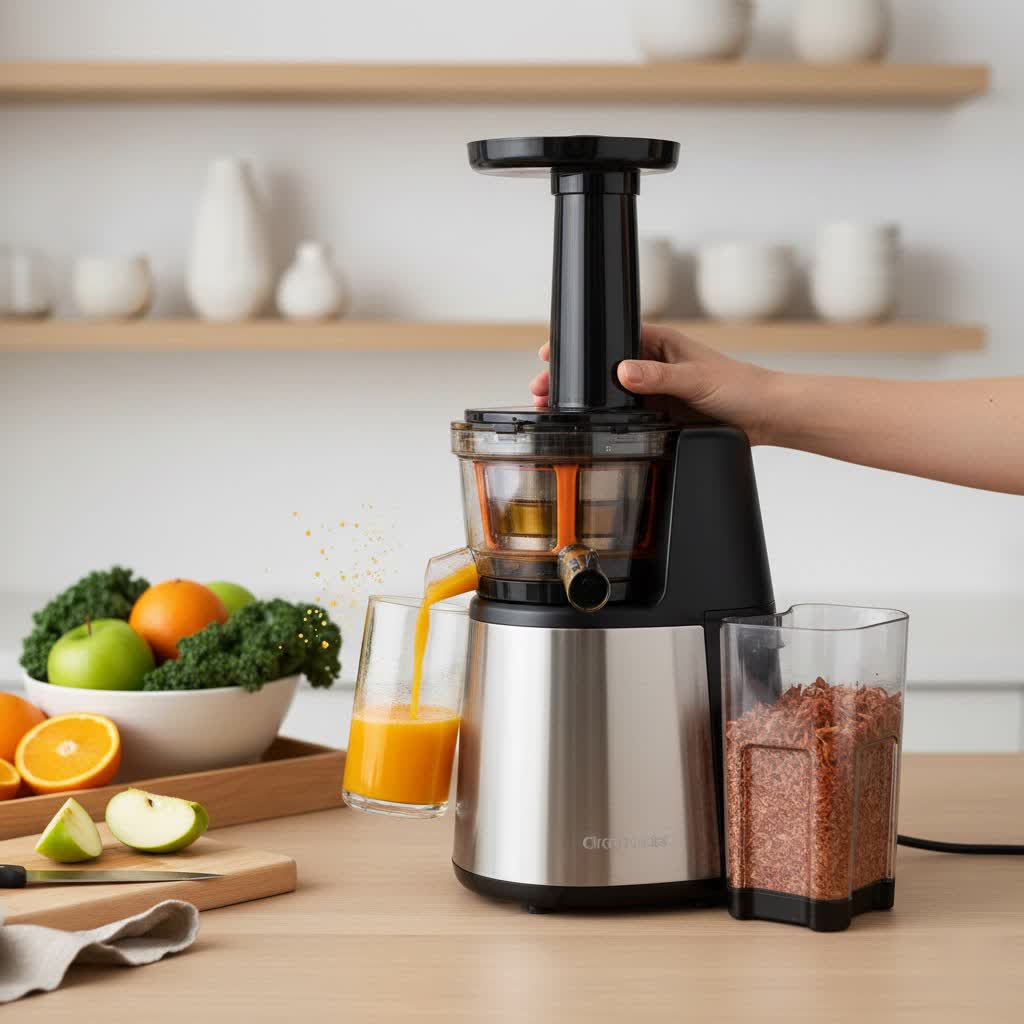
There’s nothing quite like the vibrant taste and nutritional punch of a freshly made slow-juiced juice. It’s a labor of love that transforms raw fruits and vegetables into a liquid elixir, brimming with vitamins, minerals, and enzymes. However, the delicate nature of fresh juice means its peak freshness can be fleeting. The question for many health enthusiasts is: how can you extend this precious window, ensuring your slow-juiced creations remain potent and delicious for as long as possible?
This comprehensive guide will equip you with expert strategies, from container choices to precise storage techniques, designed to preserve the vitality of your slow-juiced juice. You’ve invested in a quality slow juicer to maximize nutrient extraction; now, let’s ensure your storage methods uphold that commitment to health, allowing you to enjoy fresh, wholesome juice even days after pressing.
Why Slow-Juiced Juice Requires Special Care
Slow juicers, also known as masticating juicers, operate at lower speeds, gently crushing and pressing produce. This method significantly reduces heat buildup and aeration compared to high-speed centrifugal juicers, which spin rapidly and incorporate more oxygen into the juice. Less heat and oxygen exposure during the juicing process mean that slow-juiced juice inherently suffers less initial oxidation, preserving more delicate enzymes and heat-sensitive vitamins like Vitamin C.
However, even with these advantages, slow-juiced juice is still a raw, living food. Once extracted, the protective cell walls of the produce are broken, exposing the juice’s compounds to external elements. This exposure makes it susceptible to ongoing oxidation and microbial growth, which can quickly degrade nutrients, alter flavor, and spoil the juice if not properly managed. Understanding this fundamental vulnerability is the first step to effective preservation.
Understanding the Enemy: Oxidation and Nutrient Degradation
Oxidation is the primary culprit behind the rapid decline of fresh juice quality. It’s a chemical reaction that occurs when juice compounds react with oxygen, leading to several undesirable changes:
- Nutrient Loss: Essential vitamins, particularly Vitamin C, and beneficial enzymes are highly sensitive to oxygen and begin to degrade almost immediately upon exposure.
- Color Changes: The browning of apple juice, for instance, is a classic sign of oxidation at work, making the juice less visually appealing.
- Flavor Alteration: As nutrients break down, the fresh, vibrant taste of your juice can turn dull, bitter, or otherwise unpleasant.
Beyond oxygen, light and heat also play significant roles in accelerating this degradation. UV light can further break down delicate nutrients, while warmer temperatures provide an ideal environment for bacteria to multiply, leading to spoilage. Therefore, effective storage strategies must combat all three elements: air, light, and heat.
Choosing the Right Storage Containers
The container you select is paramount to preserving your slow-juiced juice. The goal is to minimize air contact and protect from light.
Airtight Glass Jars: The Gold Standard
Glass jars, especially wide-mouth Mason jars, are widely considered the best choice for storing fresh juice.
- Non-Reactive: Glass does not leach chemicals into your juice, making it safe for acidic concoctions like orange or pineapple juice.
- Airtight Seal: When paired with a tight-fitting lid, glass jars create an excellent barrier against oxygen.
- Easy to Clean: Wide-mouth jars are particularly convenient for thorough cleaning, preventing residue buildup that could harbor bacteria.
Stainless Steel Options
For those seeking extra protection against light, stainless steel bottles or thermoses are an excellent alternative.
- Light Blocking: Stainless steel effectively blocks all light, further slowing down nutrient degradation.
- Durability: These containers are robust and perfect for travel or daily commutes, maintaining a cold temperature with ice packs.
Vacuum Sealing for Extended Freshness
For the ultimate preservation, vacuum sealing is a game-changer. This method actively removes air from the container, drastically reducing oxygen exposure.
- Significant Shelf Life Extension: Properly vacuum-sealed juice can last up to 5 days in the refrigerator without significant nutrient loss, and some users even report success for up to a week.
- Methods: You can use specialized vacuum sealing systems for jars or handheld vacuum sealers. Fill the jar, leaving a small headspace, then seal it.
Avoiding Plastic
While convenient, plastic containers are generally discouraged for long-term juice storage.
- Chemical Leaching: Some plastics, especially those containing BPA, can leach chemicals into acidic juices, which can have health implications.
- Permeability: Even “BPA-free” plastics can be more permeable to oxygen than glass, leading to faster oxidation.
Essential Practices for Maximizing Freshness
Beyond selecting the right container, specific handling techniques are crucial for preserving your juice’s quality.
Fill to the Brim: Minimizing Air Exposure
This is a simple yet profoundly effective tip: always fill your chosen container as close to the brim as possible.
- Reduce Headspace: The less air trapped between the juice and the lid, the less oxygen available to cause oxidation.
- Creative Filling: If you don’t have enough juice to fill a container completely, consider adding filtered water to top it off. Using smaller, single-serving containers can also help ensure each serving is consumed promptly after opening.
Immediate Refrigeration: Optimal Temperatures
Once juiced, your beverage should be refrigerated immediately.
- Ideal Temperature: Store your cold-pressed juice in the fridge at a consistent temperature between 35-40°F (1.6-4.4°C). This range effectively slows bacterial growth and nutrient degradation.
- Strategic Placement: Placing your juice at the back of the refrigerator, where temperatures tend to be most consistent and coldest, can further aid preservation.
- On the Go: If you’re taking juice to work or traveling, use a cooler bag with ice packs to maintain cold temperatures.
The Power of Acidity: Adding Citrus or Salt
Certain natural additions can act as powerful preservatives for your slow-juiced juice.
- Lemon or Lime Juice: Adding a small squeeze of lemon or lime juice to your fresh juice significantly delays oxidation. The citric acid and high Vitamin C content in citrus fruits are potent antioxidants that help preserve color and nutritional value, similar to how they prevent an avocado from browning. This is especially beneficial for juices made from fruits prone to rapid oxidation, such as apples or peaches.
- A Pinch of Salt: Some experts suggest a tiny pinch of salt can also act as a natural preservative and even enhance the flavor profile of certain juices.
Preparation Matters: Starting with Fresh Produce
The longevity of your juice begins even before you press the first ingredient.
- Wash Thoroughly: Always wash your fruits and vegetables meticulously to remove dirt, pesticides, and bacteria that could accelerate spoilage.
- High-Quality, Fresh Ingredients: Opt for in-season, fresh, and organic produce whenever possible. Ingredients that are old or have been pre-cut have already begun the oxidation process, inherently shortening the shelf life of your juice. Chilling your ingredients before juicing can also help extend the juice’s freshness.
Extending Shelf Life: Refrigeration vs. Freezing
How long your slow-juiced juice will last depends on your storage method and desired consumption timeline.
Refrigeration: For Daily Consumption
For daily enjoyment, slow-juiced juice typically lasts 24-72 hours in the refrigerator. While 72 hours is often cited as the maximum, many experts recommend consuming juice within 24-48 hours for optimal flavor and nutrient density. After this period, even if not spoiled, the juice will gradually lose its vital nutrients and vibrant taste.
> “For best quality and safety, it is recommended homemade, fresh, unpasteurized juice be consumed 24-72 hours if refrigerated. For the best flavor, nutrition, and safety, I recommend drinking it within 24 hours.” – Jessica Gavin, Certified Food Scientist
Freezing: Long-Term Storage for Batch Juicing
If you practice batch juicing and need to store your juice for longer periods, freezing is an excellent solution. It effectively slows the oxidation process to a near halt, preserving most nutrients for weeks or even months.
- Preparation: Pour juice into freezer-safe glass containers, silicone ice cube trays, or even BPA-free freezer bags.
- Leave Headspace: Crucially, leave some space at the top of the container (about an inch) as liquids expand when they freeze.
- Thawing: Thaw frozen juice in the refrigerator to maintain its integrity. It is advisable to consume it immediately after it has fully defrosted to avoid a watered-down taste. While freezing may slightly reduce certain vitamin levels, such as Vitamin C, it remains a superior method for long-term preservation compared to prolonged refrigeration.
Signs Your Juice is No Longer Fresh
Even with the best storage practices, it’s essential to recognize when your juice has gone bad. Trust your senses:
- Color Changes: A noticeable darkening or browning, especially in juices that started bright, is a clear indicator of significant oxidation.
- Unpleasant Odor: Any sour, fermented, or off-smell means the juice is likely spoiled.
- Taste Alteration: A bitter, excessively sour, or generally “off” taste indicates degradation.
- Separation and Sediment: While some natural separation can occur, excessive or unusual separation, along with thick sediment, can be a sign.
- Fuzz or Mold: Any visible mold growth means the juice must be discarded immediately.
Remember the golden rule: “When in doubt, throw it out.” Your health is paramount.
Conclusion
Mastering the art of storing slow-juiced juice is about more than just convenience; it’s about safeguarding the nutritional integrity and delicious flavor you work hard to create. By understanding the principles of oxidation, choosing the right airtight and light-blocking containers, and implementing careful practices like immediate refrigeration and filling to the brim, you can significantly extend the freshness of your liquid gold. Incorporating natural preservatives like lemon juice further fortifies your efforts, while freezing offers a reliable solution for long-term batch storage.
Embrace these simple yet effective techniques to minimize waste and maximize the health benefits of every slow-juiced drop. Why let your healthful efforts diminish when a few mindful steps can keep your vibrant beverages fresh and potent for days? What’s your favorite slow-juiced concoction, and which storage tip has made the biggest difference for you?
Frequently Asked Questions
How long does slow-juiced green juice last compared to fruit juice?
Generally, juices made primarily from acidic fruits like citrus tend to last slightly longer due to their lower pH, which naturally inhibits microbial growth. Vegetable juices, particularly low-acid greens, are more susceptible to spoilage and are best consumed within 24-48 hours, though proper storage can extend this to 72 hours.
Does adding pulp to juice affect its shelf life?
Filtering out pulp might slightly extend shelf life by removing the plant tissue that enzymes act upon to cause browning. However, pulp also contains beneficial fiber and nutrients, so removing it is a trade-off. For stored juice, it’s often recommended to remove excessive pulp to minimize enzyme activity and further browning.
Can I store slow-juiced juice at room temperature?
No, fresh slow-juiced juice should never be left at room temperature for more than two hours. Warm temperatures create an ideal environment for rapid bacterial growth and oxidation, which can quickly lead to spoilage and potential health risks. Immediate refrigeration is crucial.
Is it okay if my slow-juiced juice separates in the fridge?
Some natural separation is normal for fresh, unpasteurized juice as denser particles settle. This does not necessarily mean the juice has gone bad. A gentle shake before drinking will typically reintegrate the components. However, excessive or unusual separation accompanied by off-odors or tastes indicates spoilage.
What temperature should my refrigerator be set to for optimal juice storage?
For optimal preservation of slow-juiced juice, your refrigerator should maintain a consistent temperature between 35-40°F (1.6-4.4°C). This cold environment significantly slows down the natural degradation processes and inhibits the growth of harmful bacteria, helping your juice stay fresh longer.
Does freezing juice destroy its nutrients?
Freezing juice is an effective method for long-term storage and helps preserve most of its nutritional value. While there might be a slight reduction in certain heat-sensitive vitamins, like Vitamin C, over time, the majority of nutrients remain intact. Freezing is generally preferable to letting juice degrade in the refrigerator for too long.
Can I reuse store-bought juice bottles for my slow-juiced juice?
While you can reuse glass bottles, ensure they are thoroughly cleaned and sterilized to prevent bacterial contamination. Avoid reusing plastic bottles from store-bought juices, as they may not be designed for long-term reuse, can be difficult to clean effectively, and might leach chemicals. Always prioritize airtight, non-reactive containers.