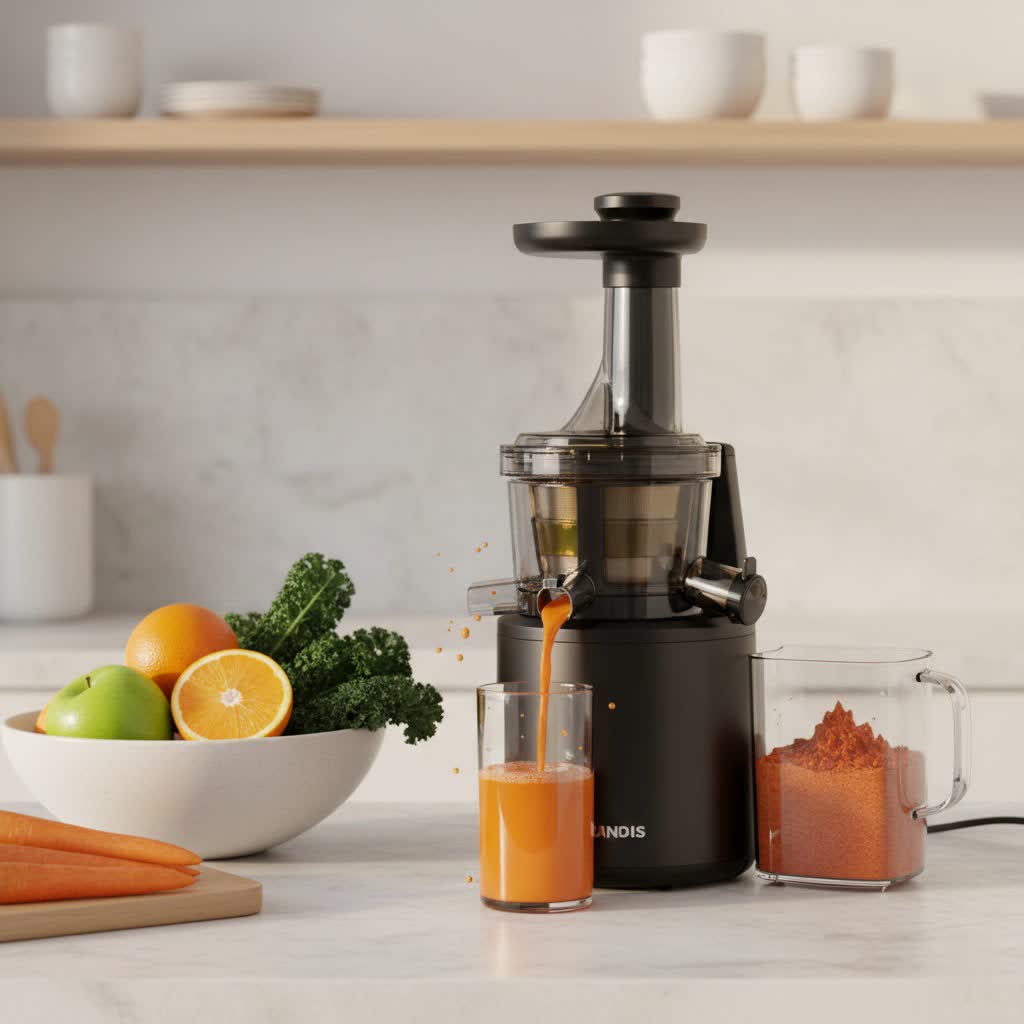
Welcome to the world of slow juicing, where nutrient-rich beverages are just moments away. Yet, the excitement of unboxing a new slow juicer can quickly turn into a puzzle if assembly isn’t straightforward. Many first-time users, and even seasoned health enthusiasts, find themselves staring at a collection of parts, wondering where to begin. This guide is designed to demystify the process, ensuring you can assemble your slow juicer effortlessly and get to juicing without any frustration.
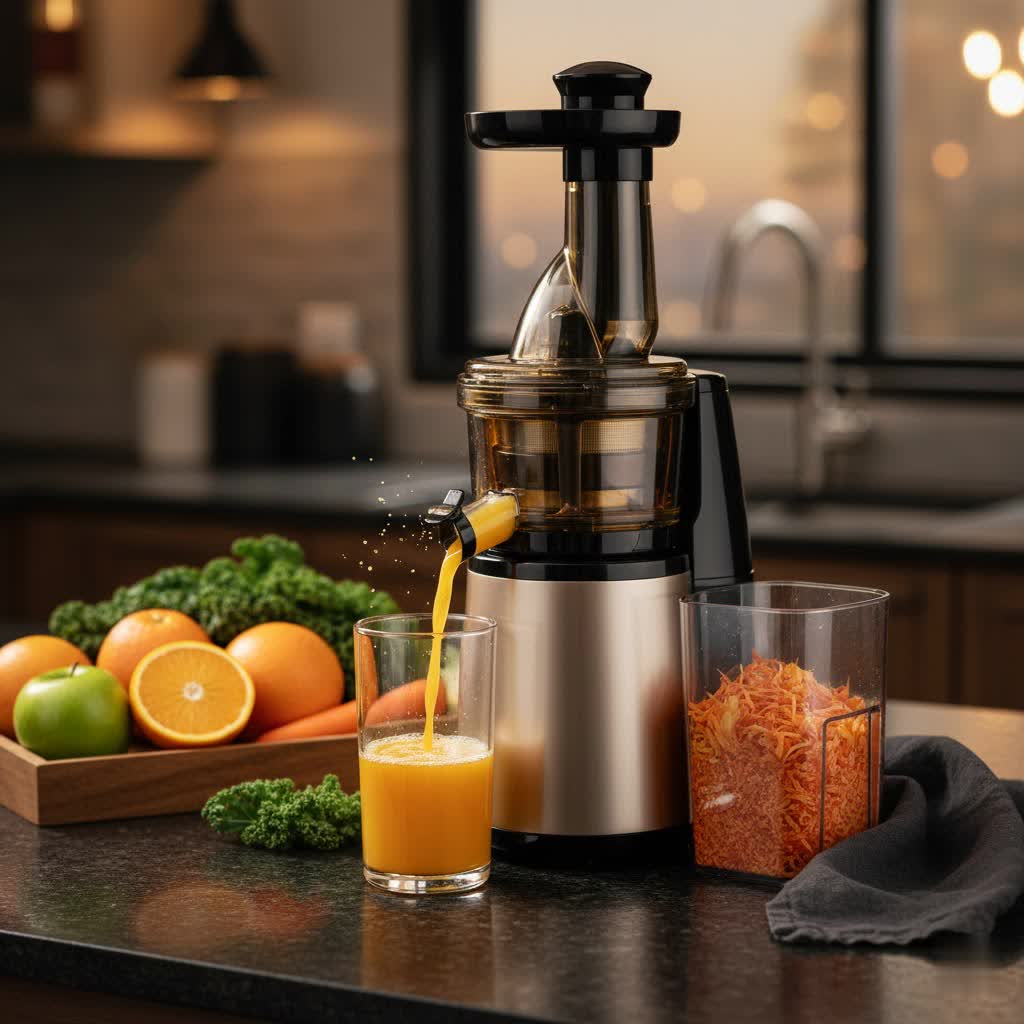
Decoding Your Slow Juicer’s Essential Components
Before diving into the assembly, it’s crucial to understand the purpose of each component. While specific designs vary across brands, most slow juicers share a core set of parts, each playing a vital role in extracting juice. Familiarizing yourself with these will make the assembly process intuitive and far less daunting.
- Motor Base: This is the heart of your slow juicer, housing the motor that drives the auger. It’s the heaviest part and should always be placed on a stable, flat surface.
- Juicing Bowl/Chamber: This component sits directly on the motor base and forms the main chamber where juicing takes place. It has outlets for both juice and pulp.
- Auger (Masticating Screw): The ‘slow’ in slow juicer comes from this part. It’s a heavy-duty screw that crushes and presses ingredients against the strainer, slowly extracting juice.
- Strainer/Filter: Available in different mesh sizes, the strainer separates the juice from the pulp. It fits inside the juicing bowl.
- Spinning Brush (Wiper Blades): Some vertical slow juicers include a spinning brush that rotates around the strainer to help clear pulp and mix juice, preventing clogging.
- Hopper/Feeding Chute: This is where you introduce your fruits and vegetables into the juicer. It usually forms part of the lid assembly.
- Lid: The top cover that secures all the internal juicing components. It often features a safety mechanism that prevents the juicer from operating if not properly locked.
- Juice and Pulp Containers: These are placed beneath the respective outlets of the juicing bowl to collect your fresh juice and dry pulp.
- Pusher: A tool used to gently guide ingredients down the feeding chute, ensuring safe operation.
Navigating Different Slow Juicer Types and Their Assembly Nuances
While the core principles remain consistent, slight variations exist in assembly based on the type of slow juicer you own. The most common are vertical and horizontal models, with twin-gear juicers presenting their own unique setup.
Vertical Slow Juicers
Table is empty.These are perhaps the most popular due to their compact footprint and ease of use. Assembly typically involves stacking components vertically. After placing the juicing bowl on the motor base, you’ll usually insert the spinning brush (if present), followed by the strainer, and then the auger. The lid, with its integrated feeding chute, then locks securely on top, often with a twist-and-lock mechanism that engages a safety sensor. Many vertical models use alignment marks, like red dots or arrows, which must be perfectly matched for the unit to function.
Horizontal Slow Juicers
Known for their versatility in handling fibrous greens, horizontal juicers have a longer body. Their assembly often starts with attaching the juicing drum to the motor base. The auger is then inserted horizontally into this drum, followed by the strainer and end cap. The end cap usually dictates the pulp expulsion and might have adjustable pressure settings. As with vertical models, alignment is key, and components typically slide and lock into place.
Step-by-Step Assembly: Your Frustration-Free Guide
With your components identified, let’s proceed with a general assembly guide. Remember to always consult your specific juicer’s manual for precise instructions, as models can vary.
1. Prepare Your Workspace
Unbox all components and place them on a clean, flat, and well-lit surface. This visibility is crucial for identifying alignment marks and ensuring parts fit correctly. Many parts will be intuitively shaped, but good lighting helps spot small notches that guide alignment.
2. Position the Motor Base
Place the heavy motor base on a sturdy countertop. Ensure it’s stable and has access to a power outlet, though don’t plug it in until the final step.
3. Attach the Juicing Bowl/Chamber
Carefully place the juicing bowl onto the motor base. Most models feature alignment indicators – look for corresponding arrows, dots, or notches on both the base and the bowl. Align them, then gently push down and twist the bowl clockwise until it clicks into a locked position. You should feel a secure connection.
4. Insert Internal Components (Strainer, Spinning Brush, Auger)
This step sequence can vary slightly, especially between vertical and horizontal models.
- For Vertical Juicers:
- First, place the spinning brush (if your model has one) inside the juicing bowl. It should sit loosely.
- Next, insert the strainer into the bowl, fitting it snugly inside the spinning brush. Again, look for alignment cues like a pulp outlet on the strainer matching a specific point on the bowl.
- Finally, lower the auger into the center of the strainer. It should slide down easily and connect with the drive shaft in the motor base. You might need to give it a slight twist until it drops fully into place. Do not force it. If it doesn’t fit, check its orientation.
- For Horizontal Juicers:
- Insert the auger into the juicing drum, ensuring it aligns with the motor shaft.
- Then, fit the strainer around the auger inside the drum.
- Attach the end cap to the front of the juicing drum, usually with a twist or clip mechanism.
5. Secure the Hopper/Lid Assembly
This is often the final piece that locks everything together and engages the safety mechanism.
- Place the hopper/lid combination onto the top of the assembled components.
- Look for prominent alignment marks (e.g., a “lock” symbol or a solid dot on the lid aligning with a similar mark on the juicing bowl).
- Gently push down and twist the lid clockwise until you hear an audible click or feel it firmly lock into place. This click is critical as it indicates the safety switch is engaged, allowing the juicer to power on. If the lid doesn’t lock, the juicer won’t operate.
6. Position Juice and Pulp Containers
Place the juice collection container under the juice spout and the pulp collection container under the pulp spout. Ensure they are correctly positioned to catch all output.
7. Final Check
Once all parts are assembled, double-check that everything feels secure and that no parts are loose or misaligned. Now, you can plug in your slow juicer and get ready to make some delicious, healthy juice!
Troubleshooting Common Assembly Issues
Even with the best instructions, you might encounter minor hiccups. Here are some common issues and how to resolve them quickly:
“My Juicer Won’t Turn On After Assembly!”
This is almost always related to the safety locking mechanism.
- Lid Not Fully Locked: The most frequent culprit. The lid needs to be perfectly aligned and twisted until it firmly clicks into its locked position. Many juicers have a safety sensor that prevents operation if the lid isn’t secured correctly. Remove the lid, re-align the marks, and try twisting it firmly again.
- Parts Misaligned: Less common but possible. Ensure the juicing bowl, strainer, and auger are all seated correctly before placing the lid. If any internal part is slightly out of place, the lid may not lock properly.
> “Always trust the ‘click.’ That audible sound when locking the lid isnon’t just for reassurance; it’s the juicer’s signal that all safety mechanisms are engaged and it’s ready to operate.” – Jane Doe, Lead Engineer at FreshPress Innovations
“Parts Don’t Seem to Fit Together”
- Incorrect Orientation: Slow juicer parts are often designed to fit only one way. If a component is resisting, avoid forcing it. Remove it, examine its shape and any alignment marks, and try rotating it 180 degrees or adjusting its angle. For instance, the auger might have a specific side that connects to the motor shaft.
- Obstruction: Occasionally, a small piece of packing material or a foreign object might be preventing a smooth fit. Carefully inspect the connection points of both parts for any obstructions.
Tips for Easy Disassembly and Storage
Disassembly is essentially the reverse of assembly, and a few tips can make cleaning and storage much easier:
- Always Unplug First: Before disassembling, always ensure the juicer is unplugged for safety.
- Reverse the Steps: Start by unlocking and removing the lid, then lift out the auger, strainer, and spinning brush.
- Immediate Cleaning: For the easiest cleanup, disassemble and rinse all removable parts immediately after juicing. This prevents pulp from drying and sticking, making thorough cleaning a breeze.
- Organized Storage: Keep all juicer parts together in a designated spot. Some juicers come with trays or stands for organized storage, which can prevent parts from getting lost or damaged.
Conclusion
Assembling your slow juicer doesn’t have to be a source of frustration. By understanding each component’s role, paying attention to alignment marks, and following a logical step-by-step process, you can confidently put your juicer together in minutes. Remember, patience is key, and if something doesn’t feel right, don’t force it—re-align and try again. With a properly assembled slow juicer, you’re all set to unlock the vibrant flavors and numerous health benefits of fresh, homemade juice. What new juice recipes are you most excited to try now that your slow juicer is ready for action?
Frequently Asked Questions
How do I know if my slow juicer is assembled correctly?
Your slow juicer is assembled correctly when all parts fit snugly, the lid locks securely, and the juicer powers on without any unusual noises or resistance. Many models have visible alignment marks (dots, arrows) that should match up, and an audible “click” when the lid is locked indicates the safety mechanism is engaged.
What should I do if a part feels stuck during assembly or disassembly?
Never force a part. If a component feels stuck, gently try rotating it or wiggling it slightly. Check for any misalignment or obstructions. If it’s still stuck, carefully remove the surrounding parts and re-examine the component and its connection point.
Can I wash slow juicer parts in the dishwasher?
While some slow juicer parts are marketed as dishwasher-safe, it’s generally recommended to hand wash them with warm, soapy water. High heat from dishwashers can, over time, degrade plastic components, compromise seals, or even damage critical safety magnets in some vertical juicers, potentially leading to operational issues.
Why do some slow juicers have a spinning brush?
The spinning brush, also known as wiper blades, helps keep the strainer clear of excess pulp during juicing. It also aids in mixing the juice within the juicing chamber before it exits, contributing to a smoother, more consistent juice texture.